Fix – Cannot write more bytes to the buffer than the configured maximum buffer size: 104857600 (Power Automate / Dataverse)


We might below error in our flow –
BadRequest
. Http request failed as there is an error: ‘Cannot write more bytes to the buffer than the configured maximum buffer size: 104857600.’.

This is because of the 100 MB Message Size limits in Power Automate.

We can enable Allow chunking option if supported by the action.

Or we can fix it by specifying Select columns and Filter Rows to limit the data returned as in the case of the List Rows action of Dataverse.

Hope it helps..

Advertisements

Custom Actions missing in the “Perform Action” step of the workflow (Dataverse / Dynamics 365)


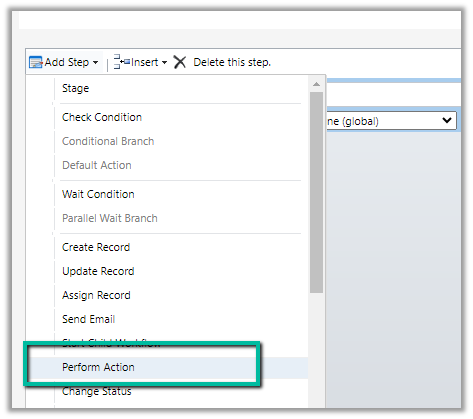
We might see some of the custom actions not appearing in the Actions list inside the Perform Action step of the workflow.

This is because the Custom Action would be using one of the following parameter types, which is not supported for Perform Action like

  • Picklist (Optionset)
  • Entity
  • Entity Collection

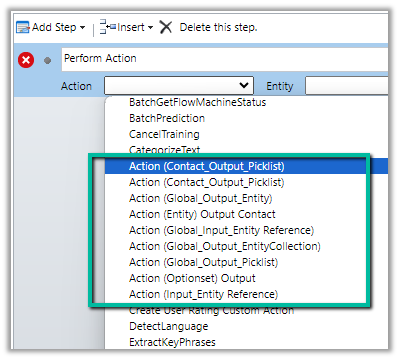
E.g. we have the following actions defined few are bound to the Contact table, some are Global, and have different types specified as either Input or output parameter.

Out of the above actions defined, we can see only the following actions listed inside the perform actions step of the workflow.

The action which has input as Entity Reference are the ones listed, as it is one of the supported types. For the unsupported types, if used as an output parameter, the actions are listed.

https://learn.microsoft.com/en-us/dynamics365/customerengagement/on-premises/developer/create-own-actions?view=op-9-1#execute-an-action-using-a-process

Hope it helps..

Advertisements

Use Solution Health Hub to troubleshoot issues in Dynamics 365 Apps (Sales, Marketing, Field Service, Customer Service..)


Using Solution Health Hub we can validate the environment’s configuration, which might get modified over time, to get an idea about the state of that environment and detect and resolve any issues. Solution Health Hub enables rules-based validations, which we can run periodically or manually if we encounter any issues. The rules also get triggered automatically when solutions are installed or updated by Microsoft. The rules check if some of the required processes are disabled or owned by a disabled user, if some of the required web resources are missing, if certain plugin steps are not active etc.

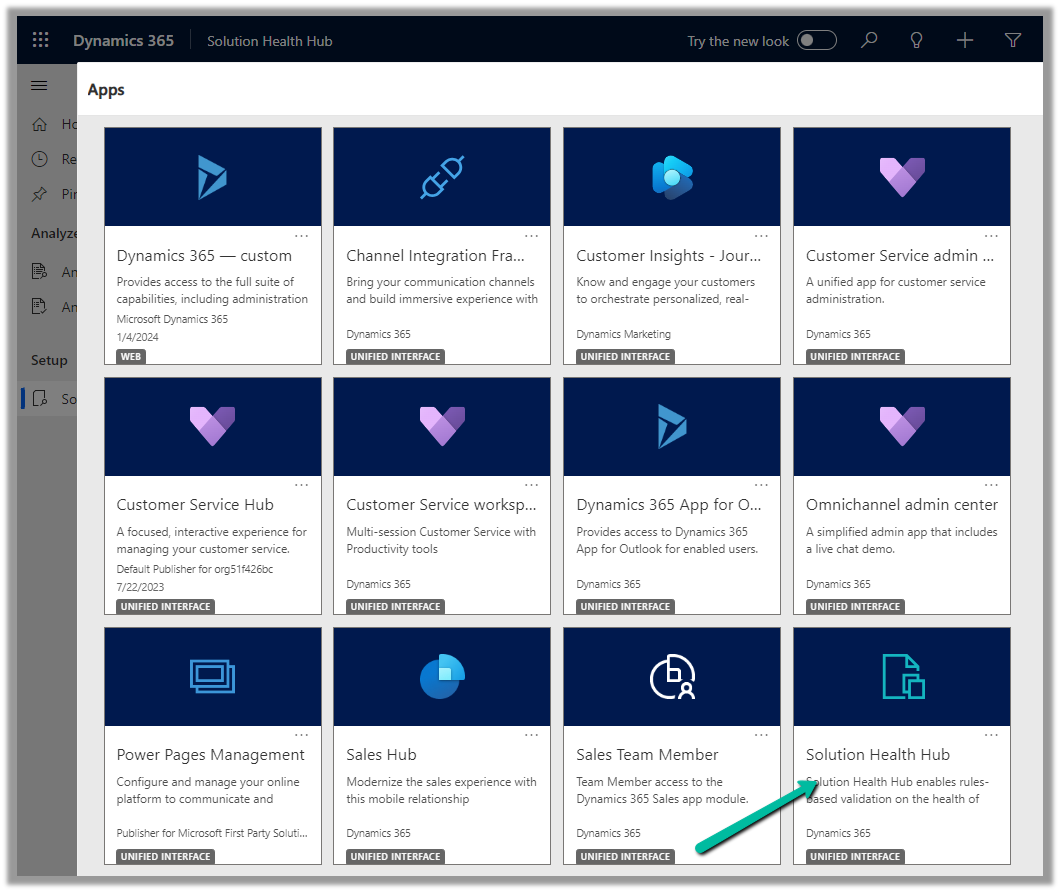
Let us open the Solution Health Hub app and see it in action.

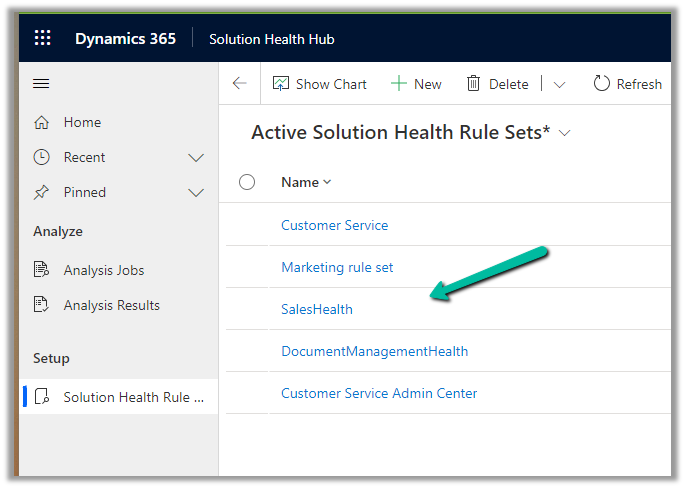
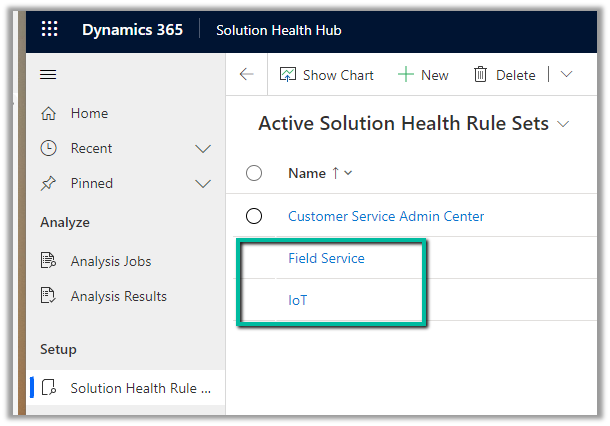
We can see the Rule Sets created specific to different areas (app) like Sales, Marketing, Customer Service, etc.

For an environment where Field Service is configured, we can see the following rule sets.

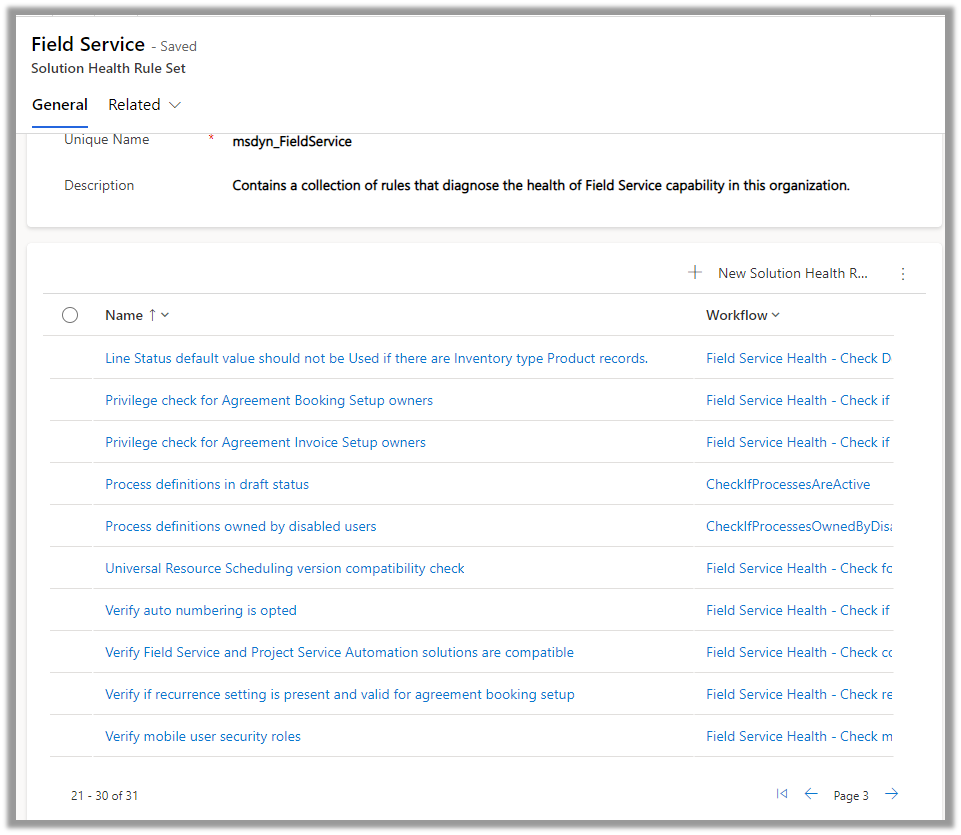
Let us open the Field Service Rule Set and see the rules defined for it.

We can see around 31 rules defined for Field Service

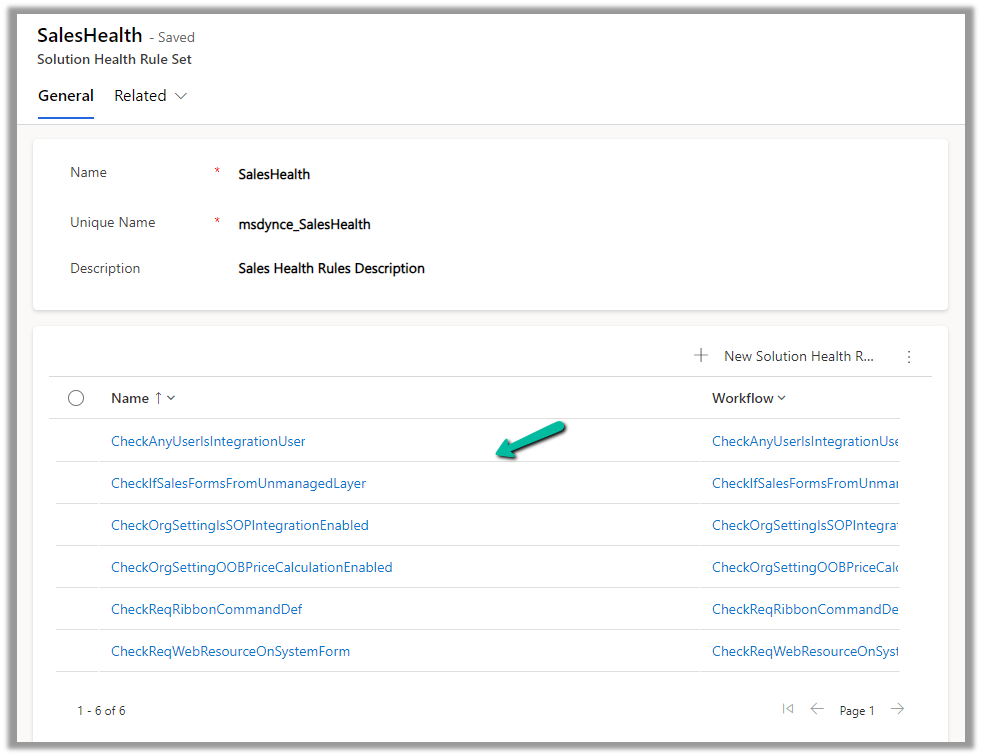
For Sales, we can see around 6 rules.

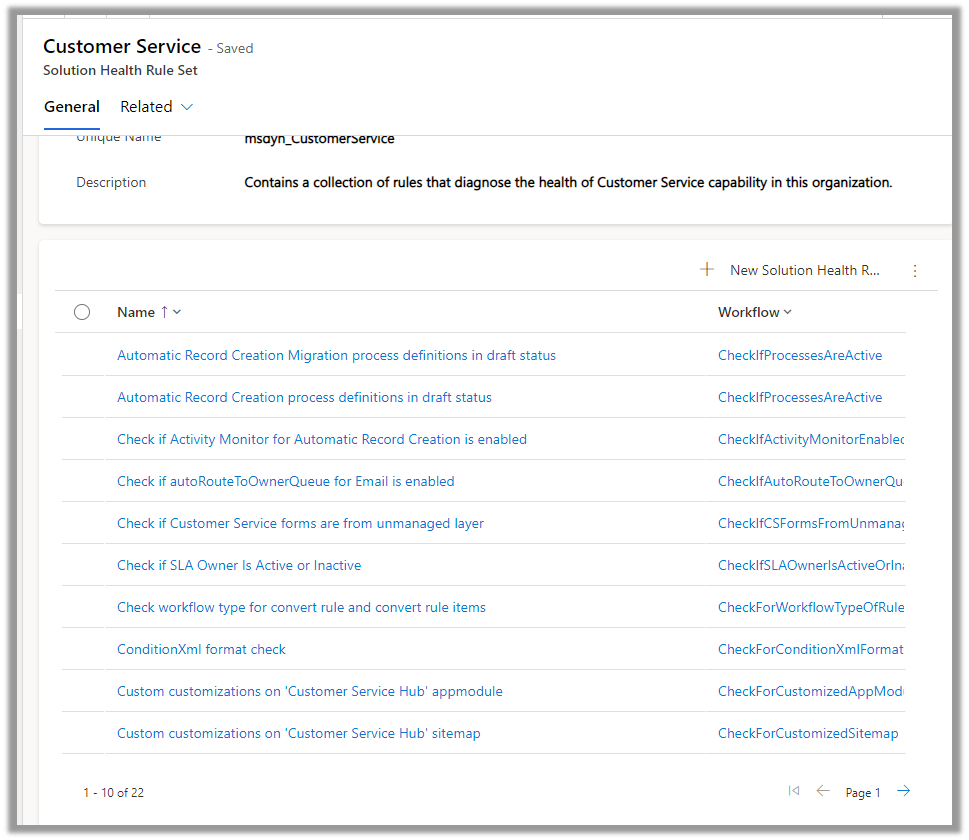
Around 22 rules for Customer Service.

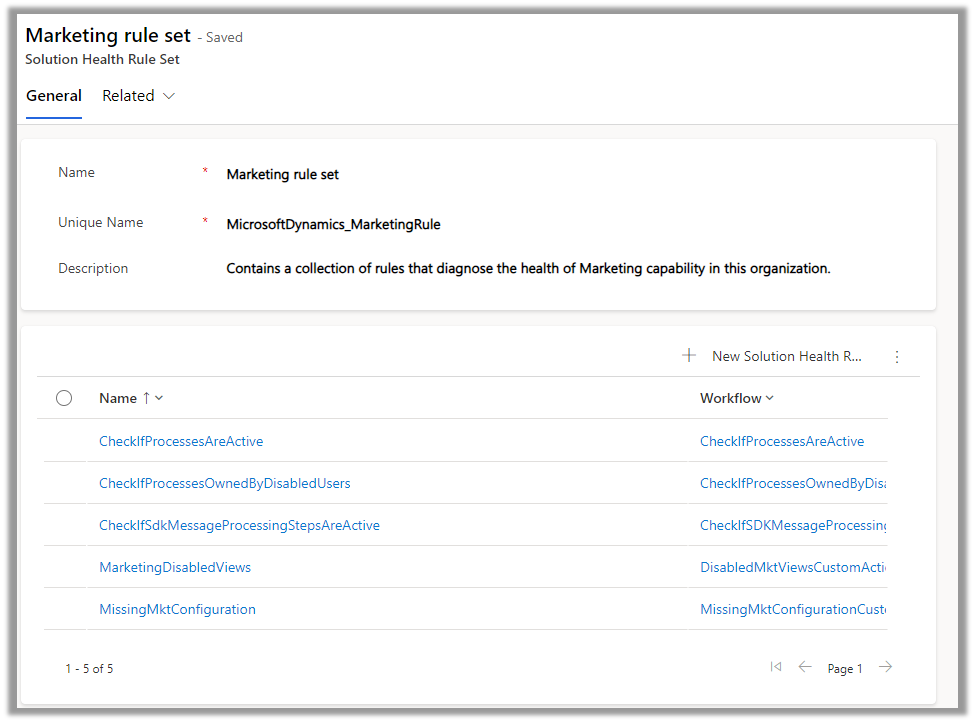
And around 5 rules for Marketing

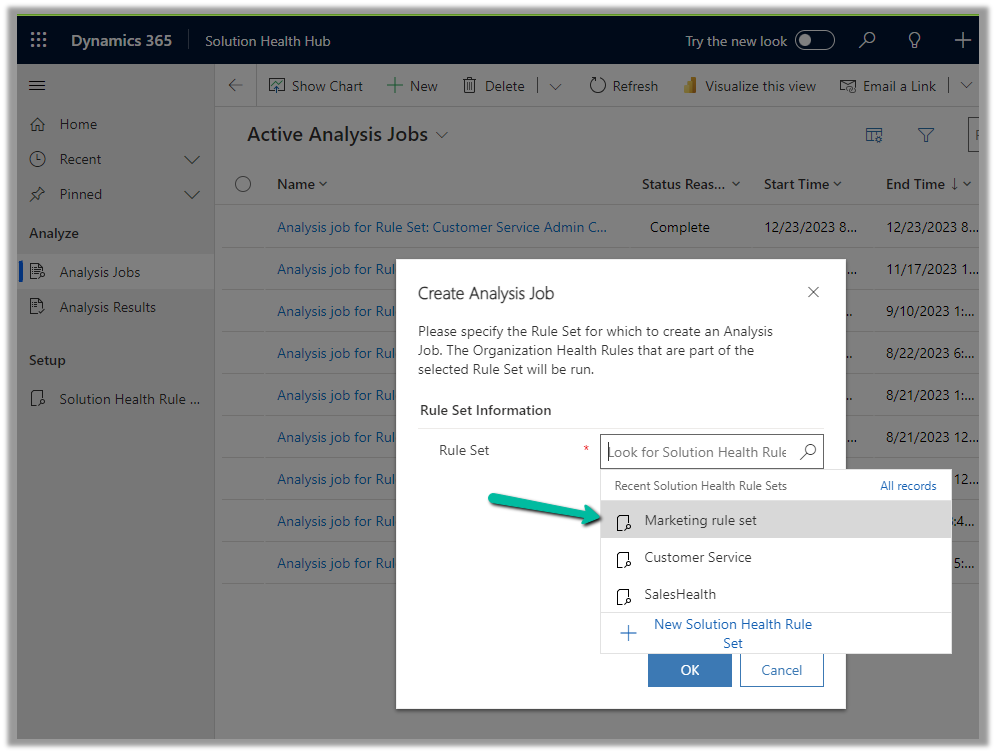
To run the Rules, we need to create a new Analysis Job record and select the corresponding Rule Set.

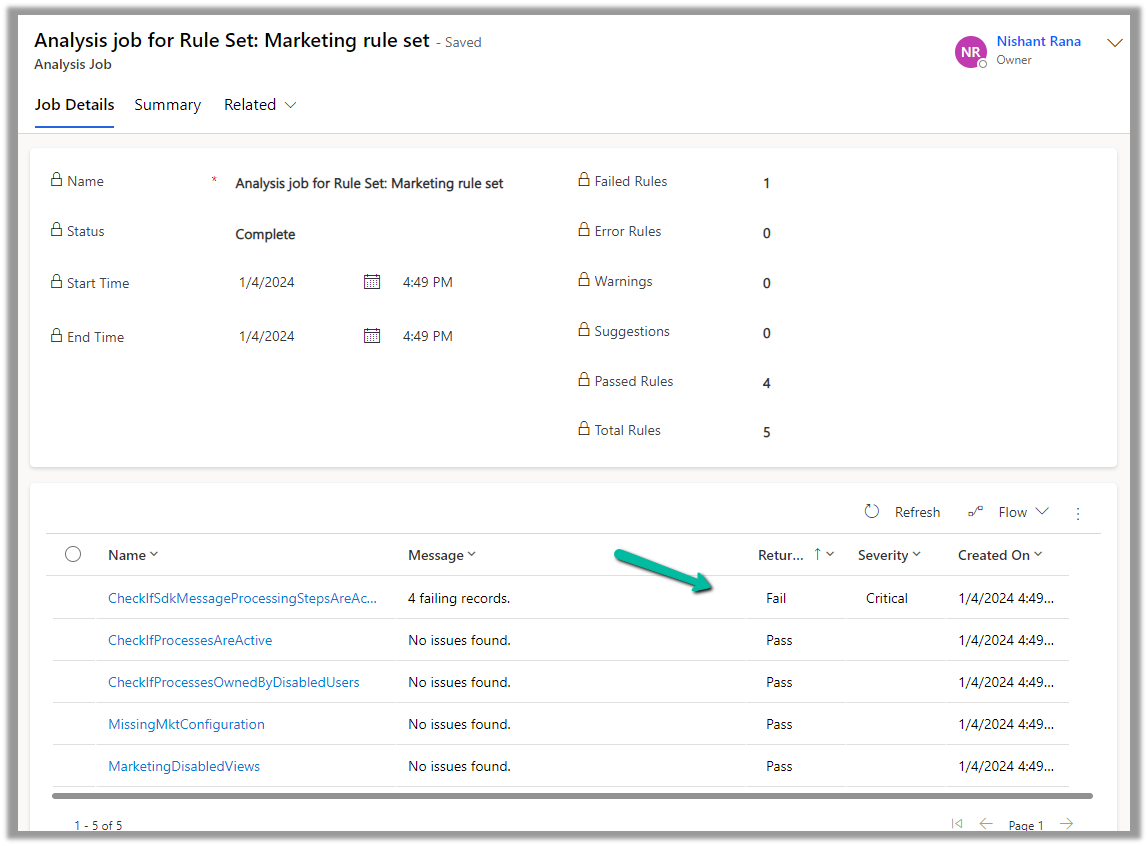
A summary of rule-set executions will be shown in a few seconds. (runs asynchronously)

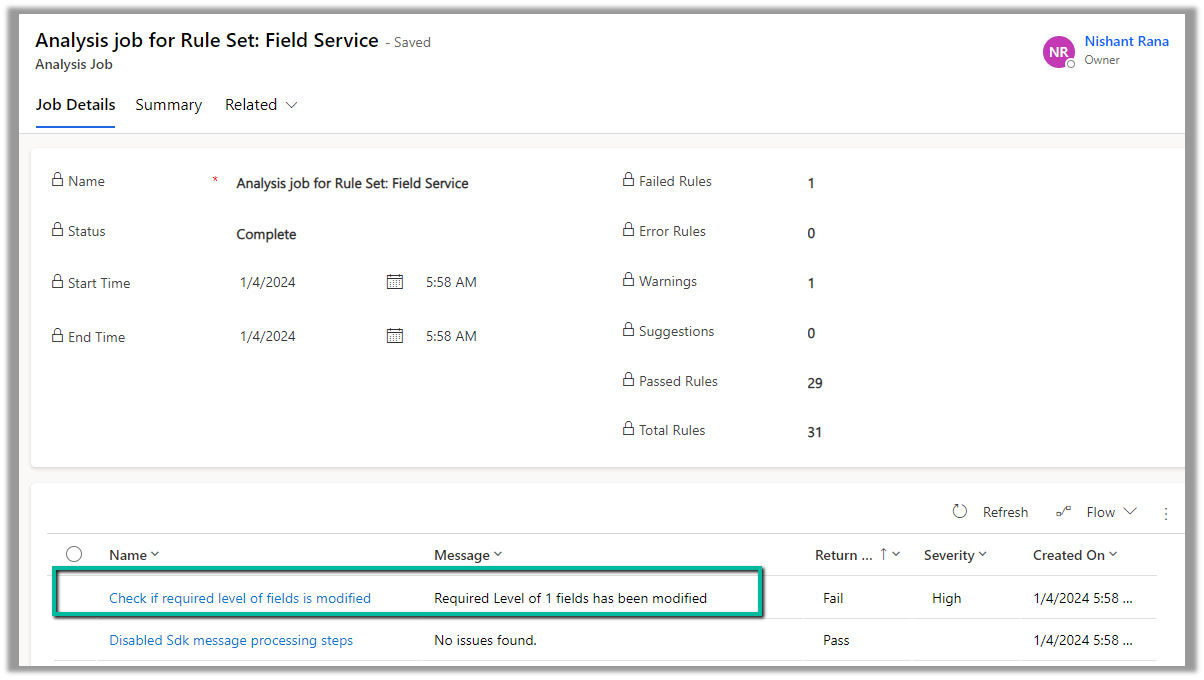
We can see one of the rules failed.

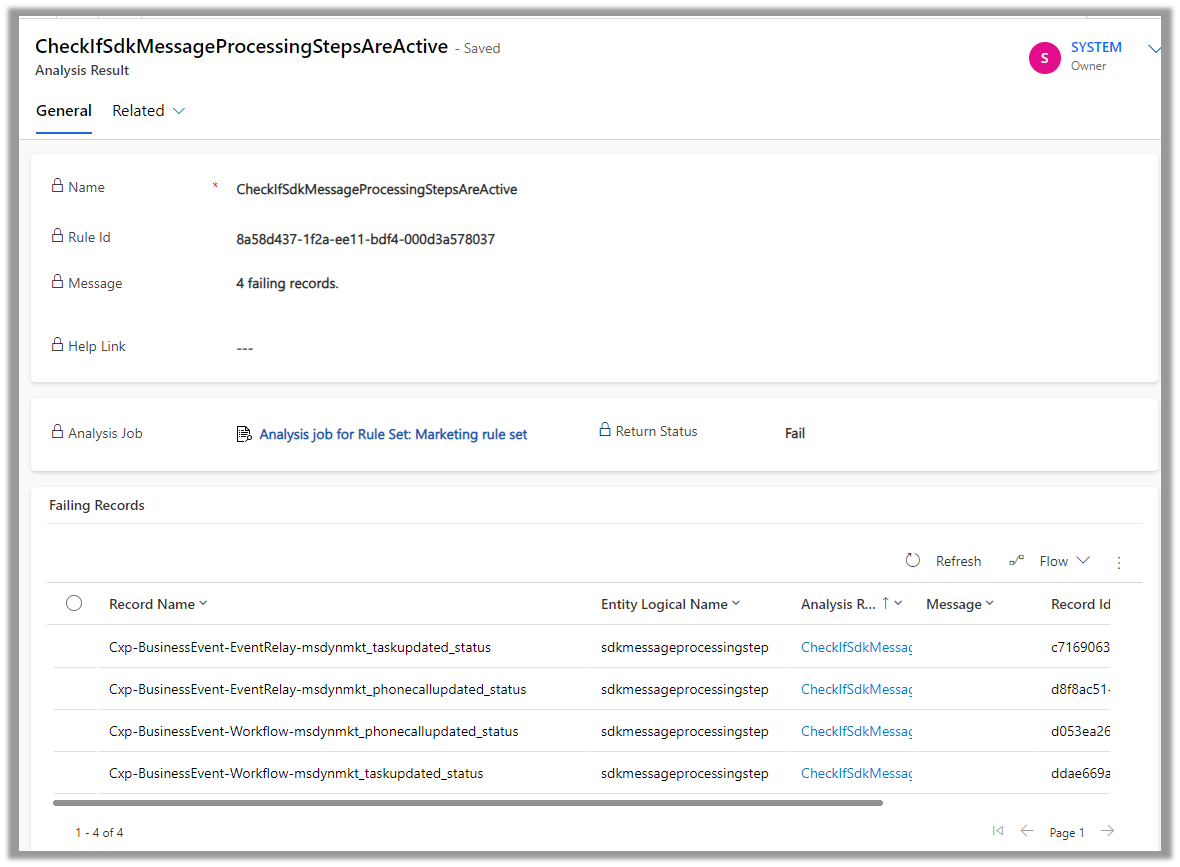
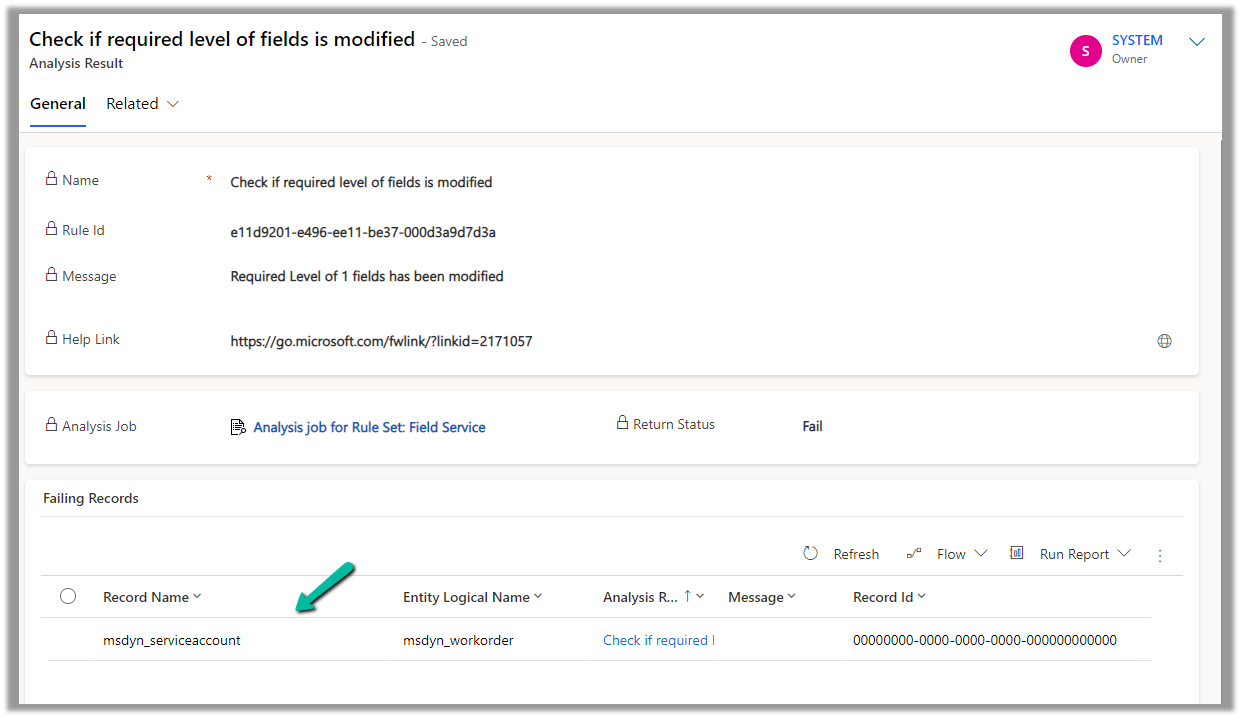
Opening the record, we can see the details.

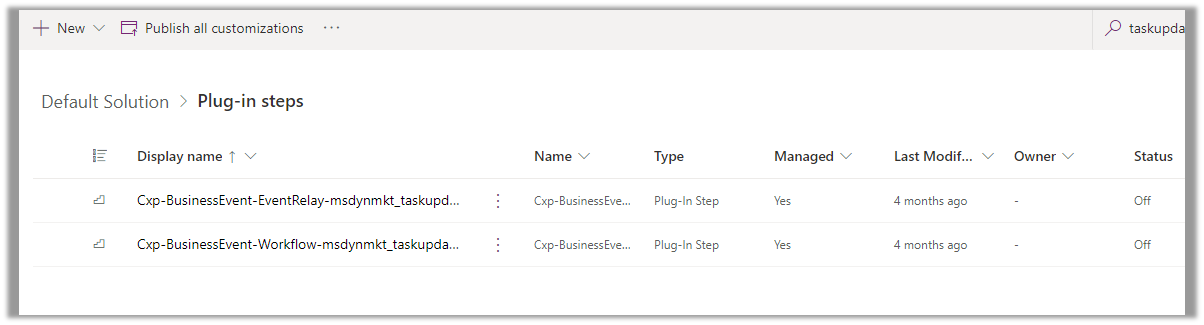
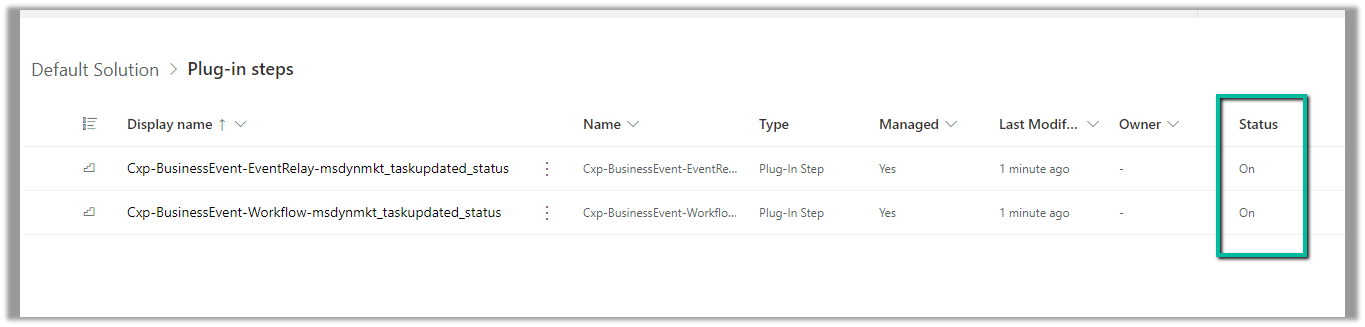
Back in our solution, we can see the steps in the disabled state.

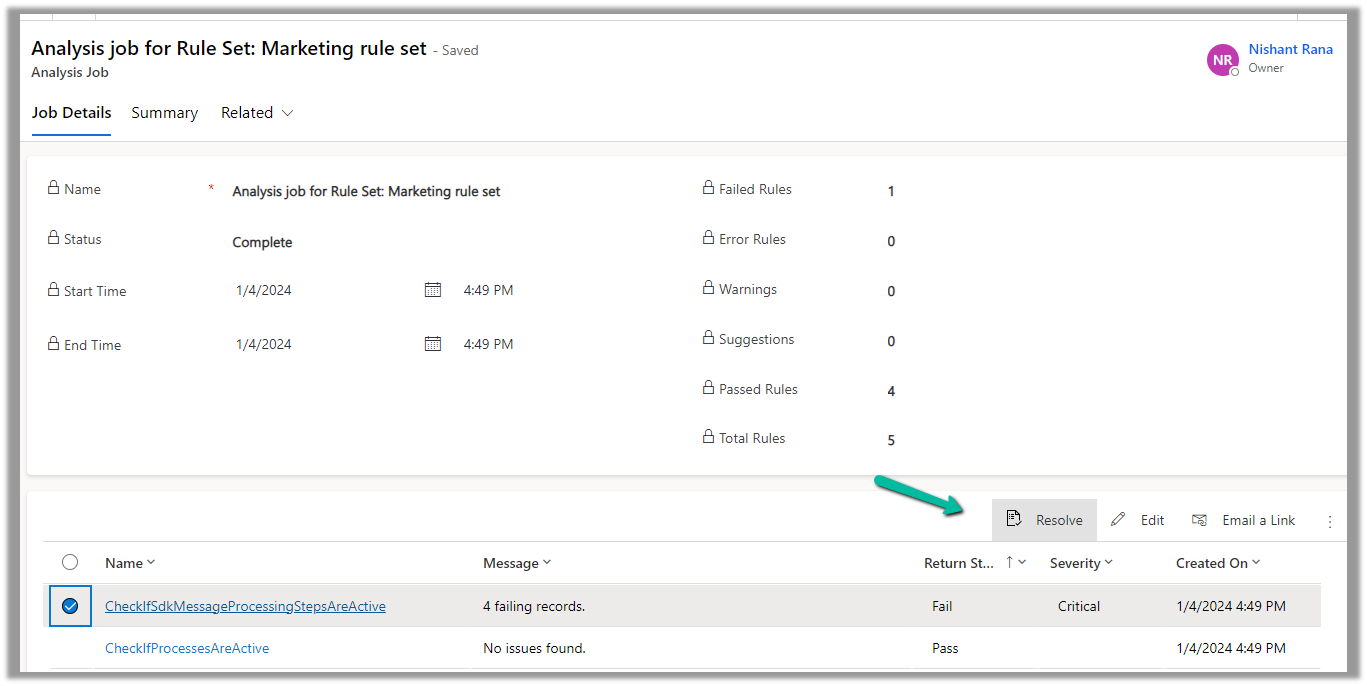
Back in our Analysis Job, let us select the failed rule and click on Resolve.

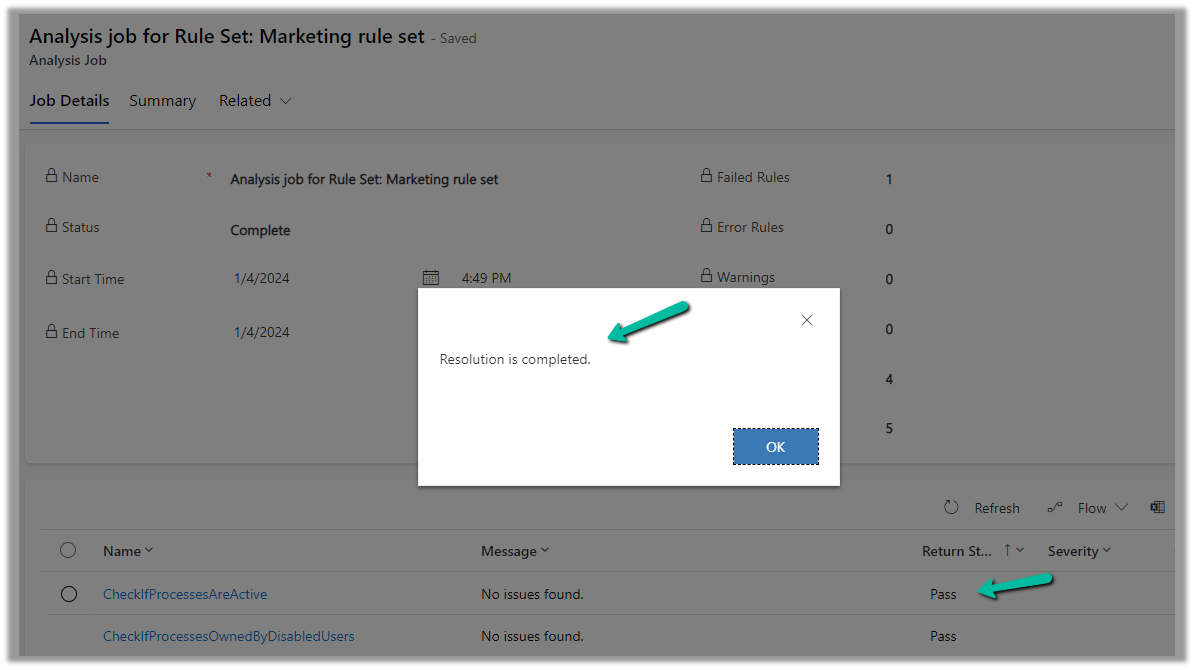
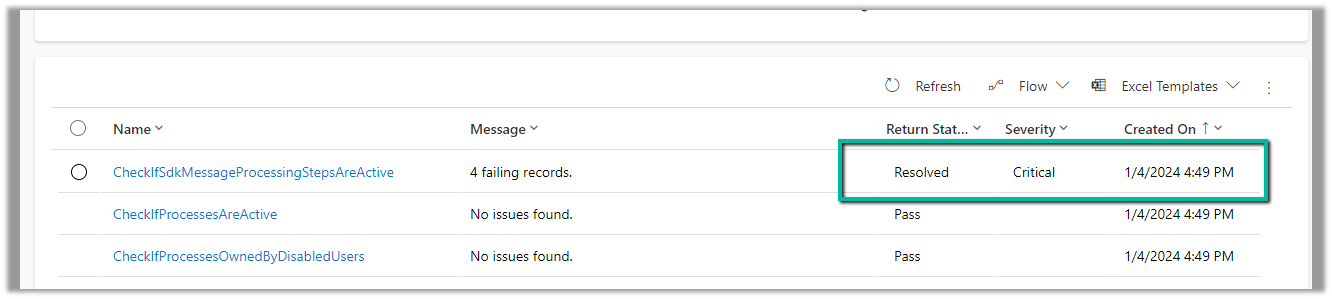
We can see the message “Resolution is completed.” and the rule passed.

Back inside our solution, we can also see the status as On for those steps.

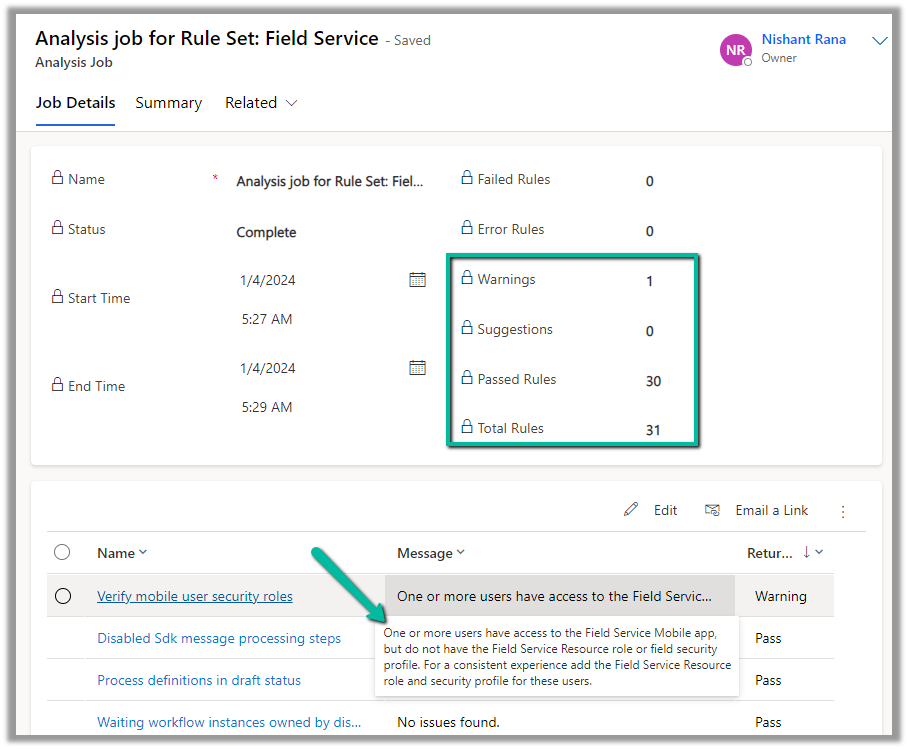
Now let us run an analysis job for Field Service

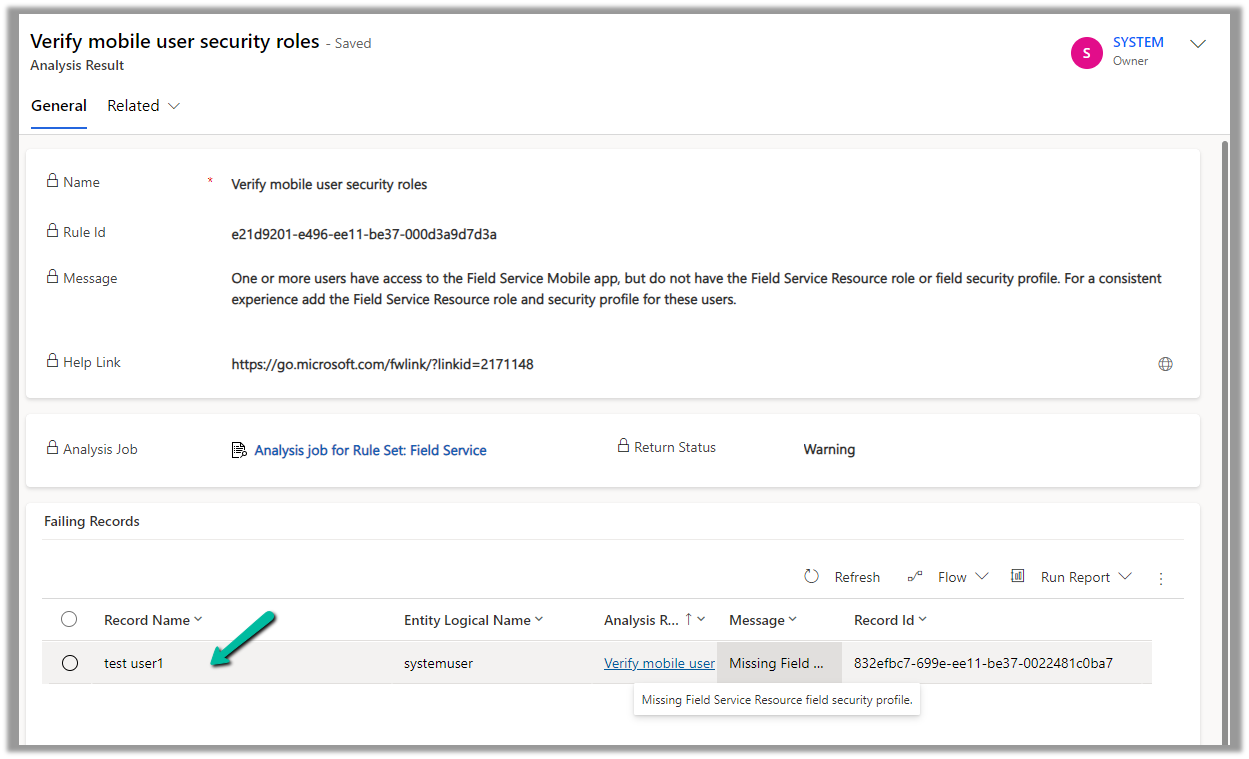
On opening the record, we can see the user for which the roles are missing.

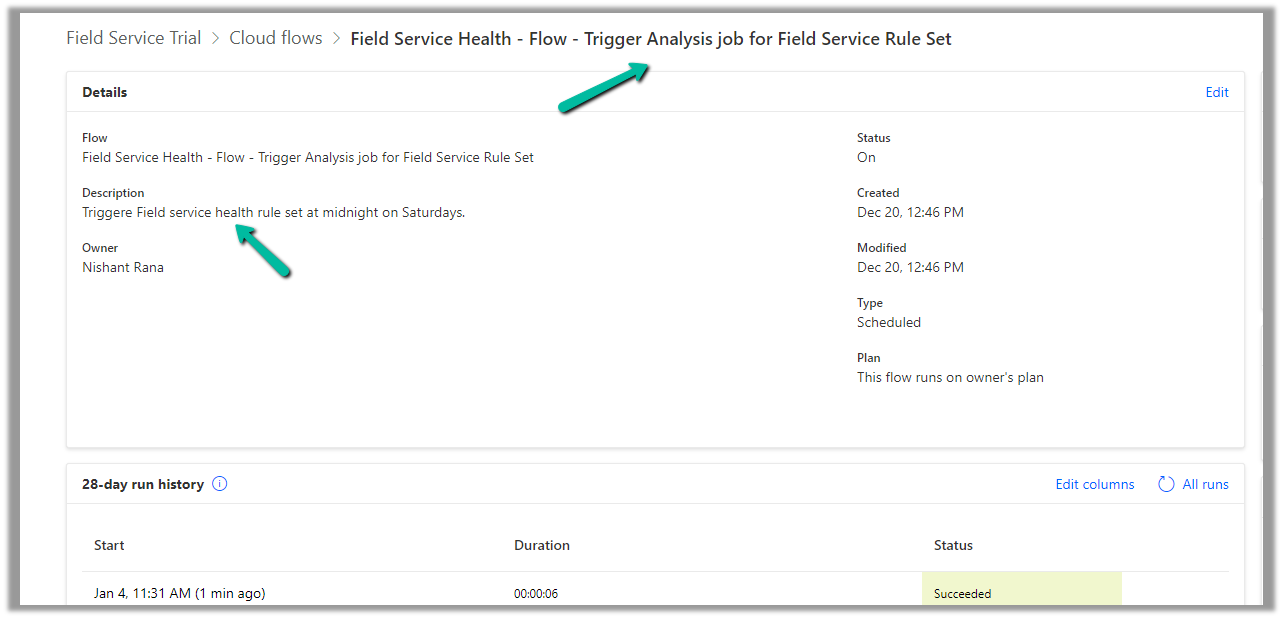
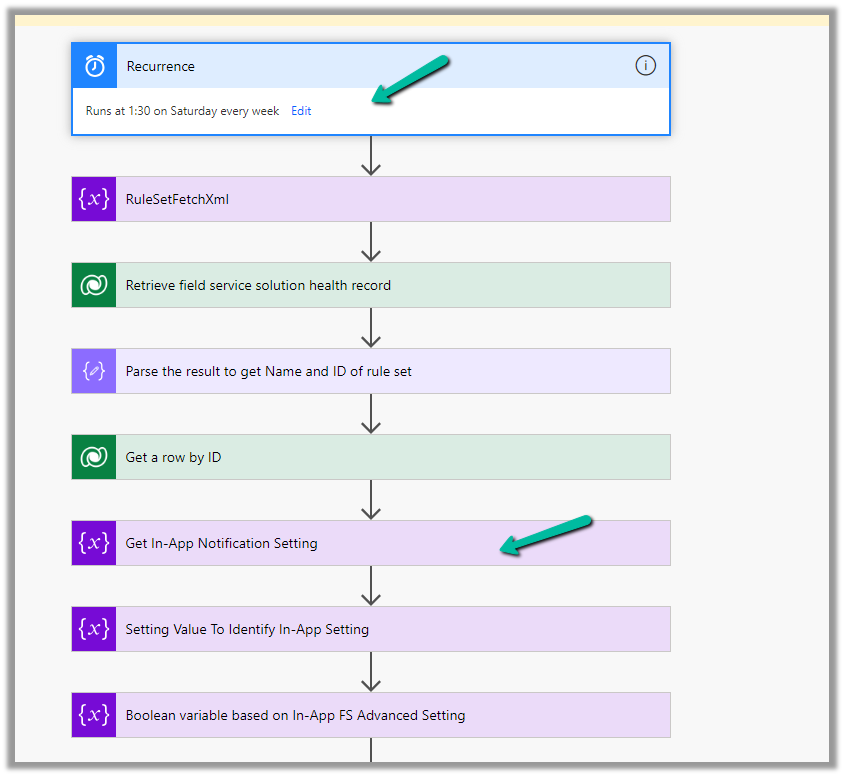
For Field Service, we can see an out-of-the-box cloud flow that runs at midnight on Saturdays to trigger the analysis job for the Field Service Rule Set.

And sends the In-app notifications.

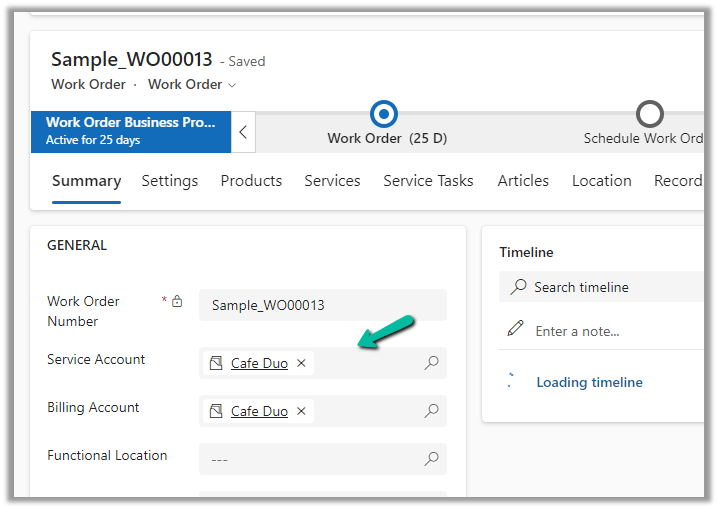
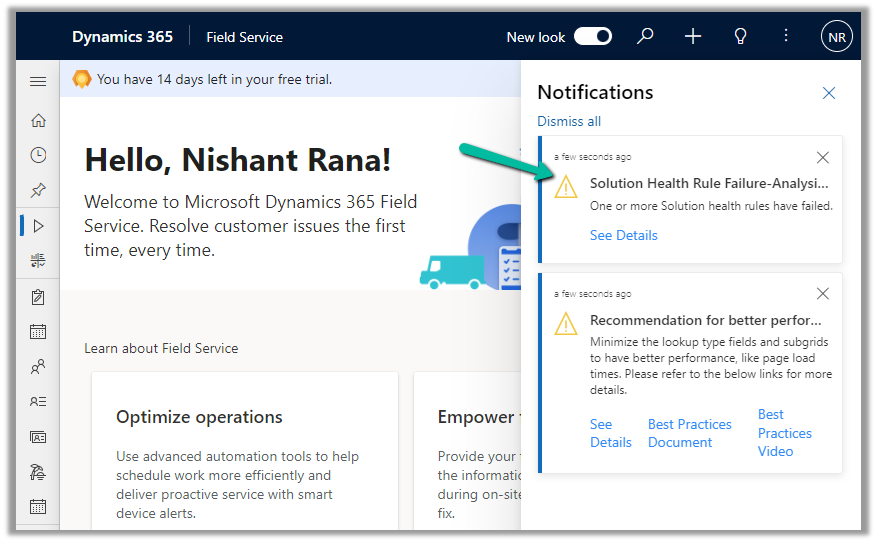
Now if a rule fails, we can get the in-app notifications, e.g. we had set the Service Account field as optional on the Work Order form.

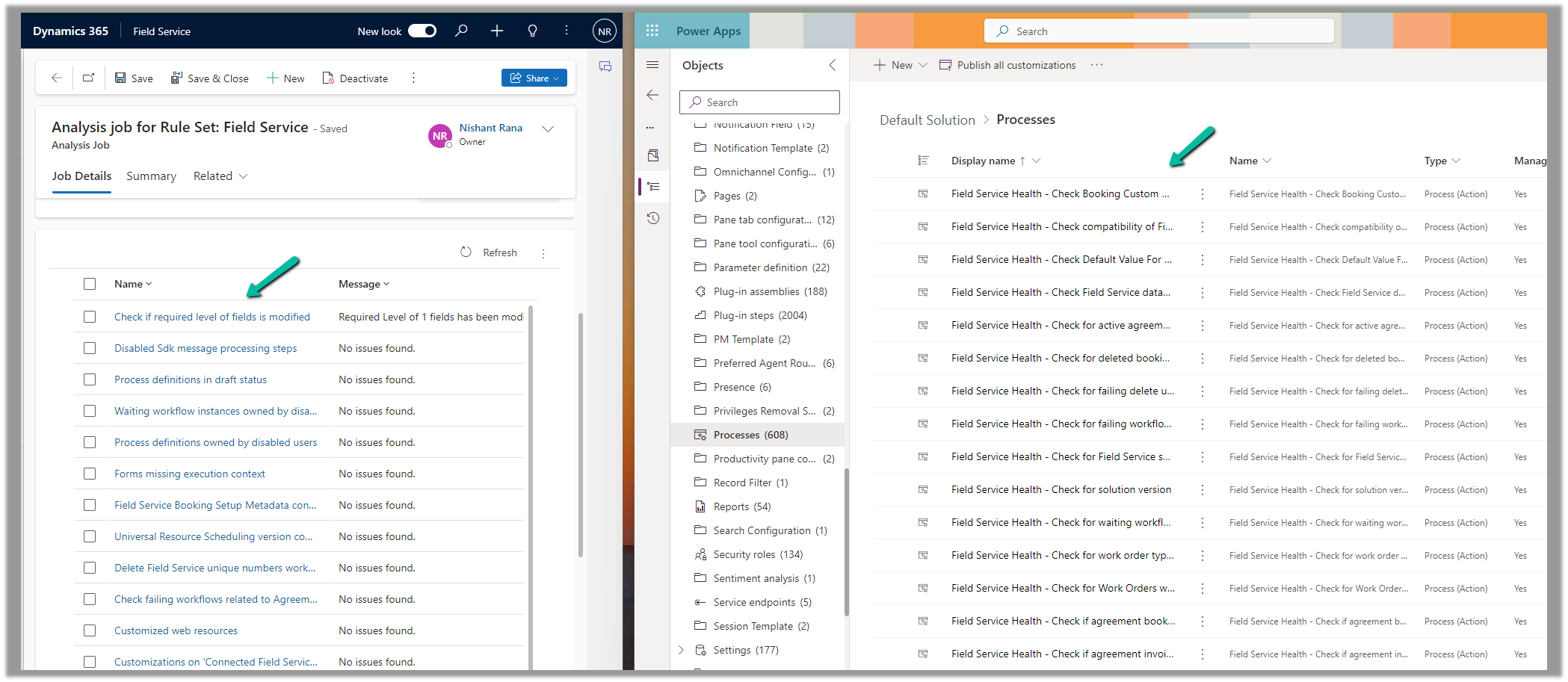
That caused the below rule to fail.

This also sent the notification in the app.

More details on it – https://powerusers.microsoft.com/t5/Power-Apps-Community-Blog/In-App-Notifications-on-concerns-related-to-Solution-Health-and/ba-p/1287680

Also, for each of the rules, we can see a corresponding Action that holds the logic.

Hope it helps..

Advertisements

Enable / Disable (turn on / off) multiple business rules – Dataverse / Dynamics 365


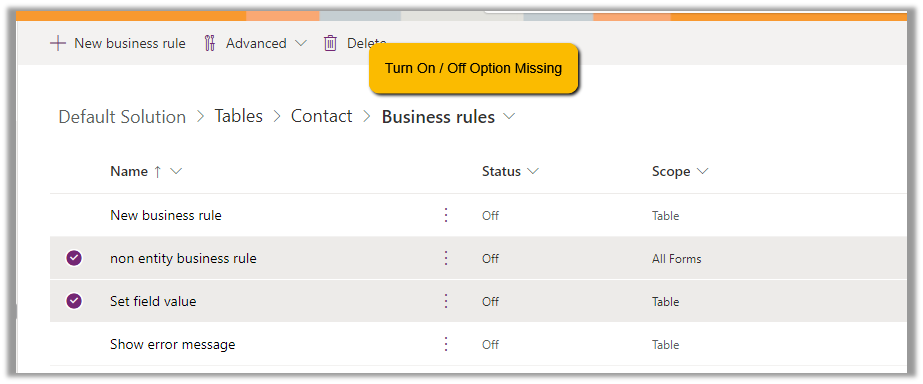
Within the Maker Portal, we can only turn on / turn off one business rule at a time.

If we select multiple business rules, we do not see that option.

Here we can make use of XrmToolBox’s Bulk Update Plugin.

Get the required business rules, using the FetchXML and use the Set State option to update the status of the business rule.

Here Category = 2 is Business Rule and Type = 1 is Activated.

The other values for type are Definition and Template.

Get more details on the type – https://sachinbansal.blog/2018/05/02/error-while-deactivating-workflows-should-be-exactly-1-messageprocessingstep-registered-for-workflow-dynamics-365/

We can also use the Advanced Find editor to activate/deactivate the business rules.

We can see our business rule activated.

Similarly, we can enable and disable multiple cloud flows –

Hope it helps..

Advertisements

Business Rules in Bulk Edit and Import (Dataverse / Dynamics 365)


Let us see an example of a Business Rule with scope as Table (Entity) triggering on Bulk Edit as well as Data Import.

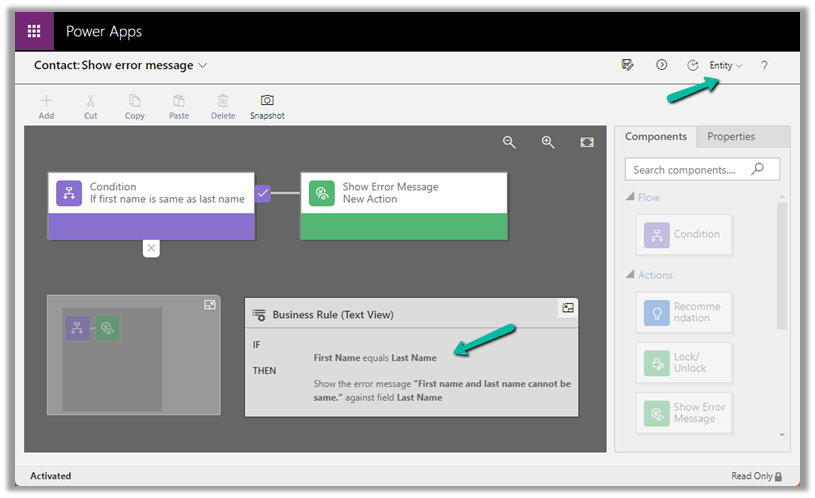
Below is our Business Rule – It shows the error message if the First Name is equal to the Last Name of Contact.

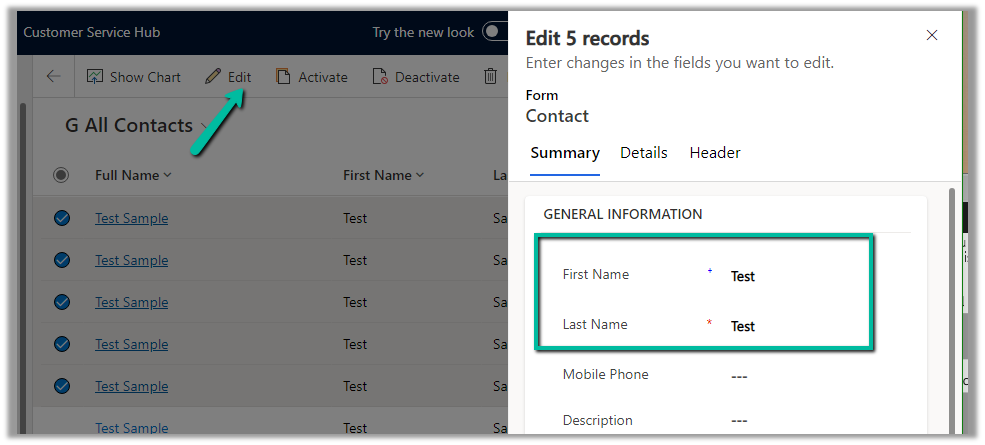
Here we are bulk updating the contact records and setting the last name same as the first name.

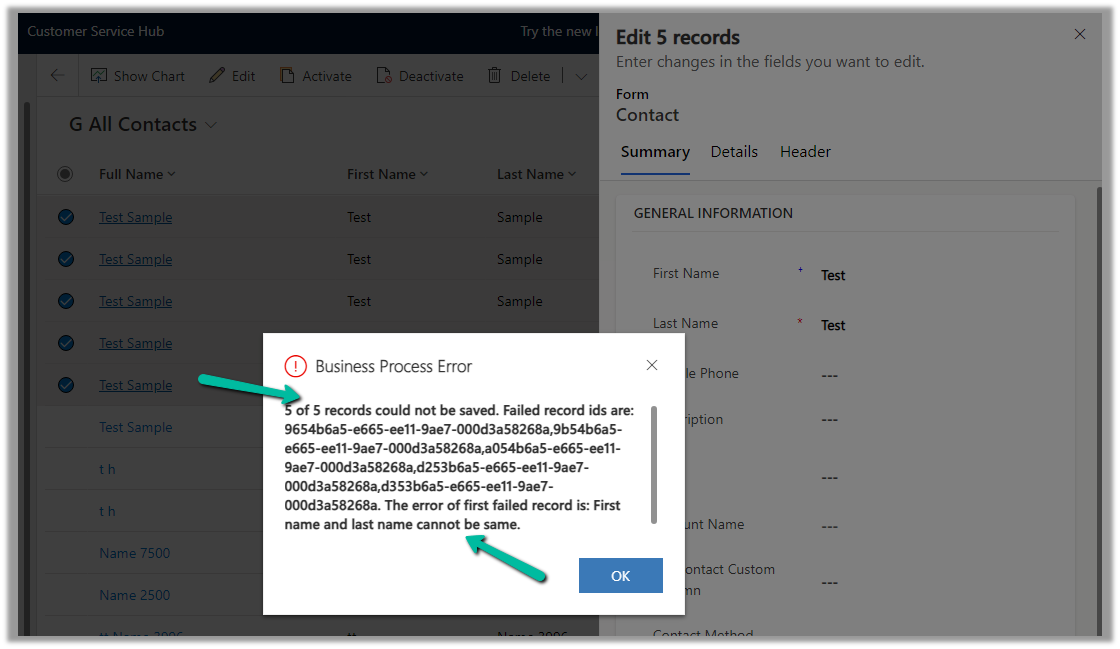
We can see the exception being thrown.

Below are the exception details –

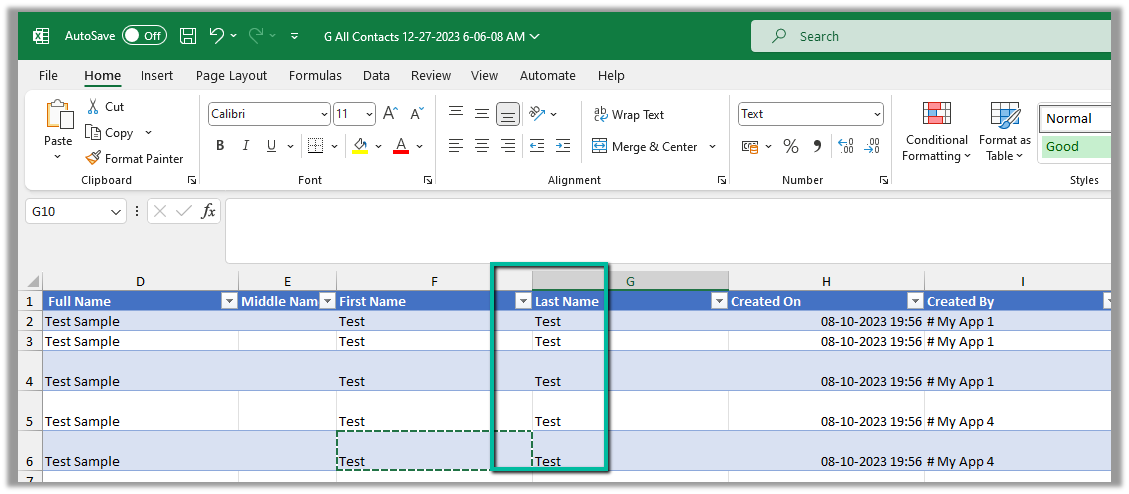
Now let us try exporting/importing these records by setting the same value for both the first name and last name fields.

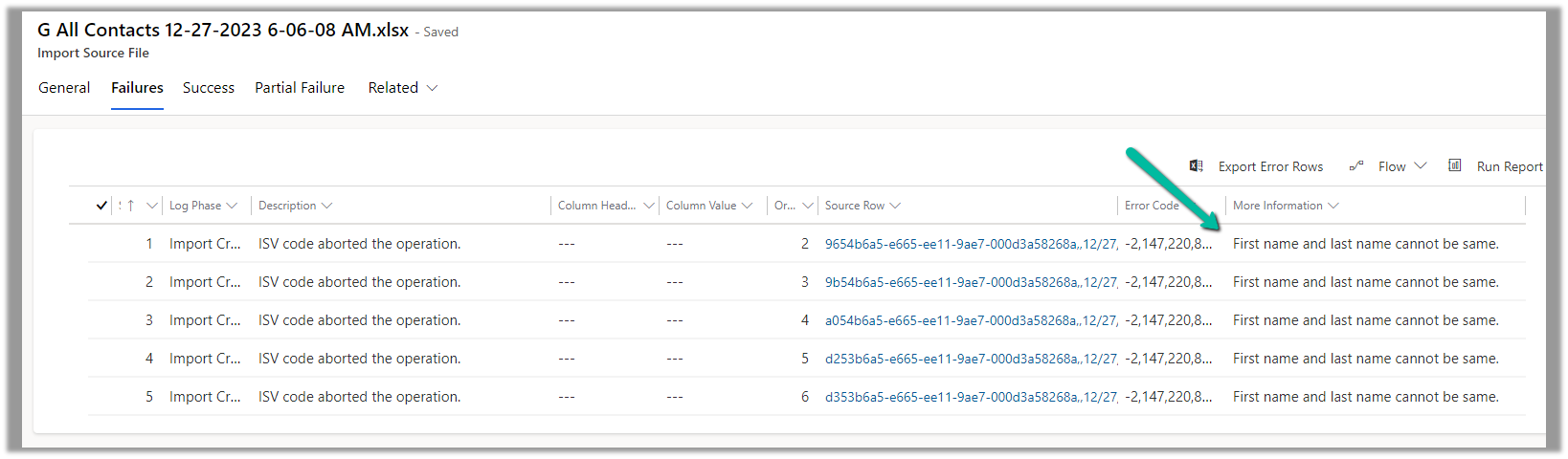
On Importing the Excel, we can see the records as partially failed.

We can see our error message in the Failures tab of the import record.

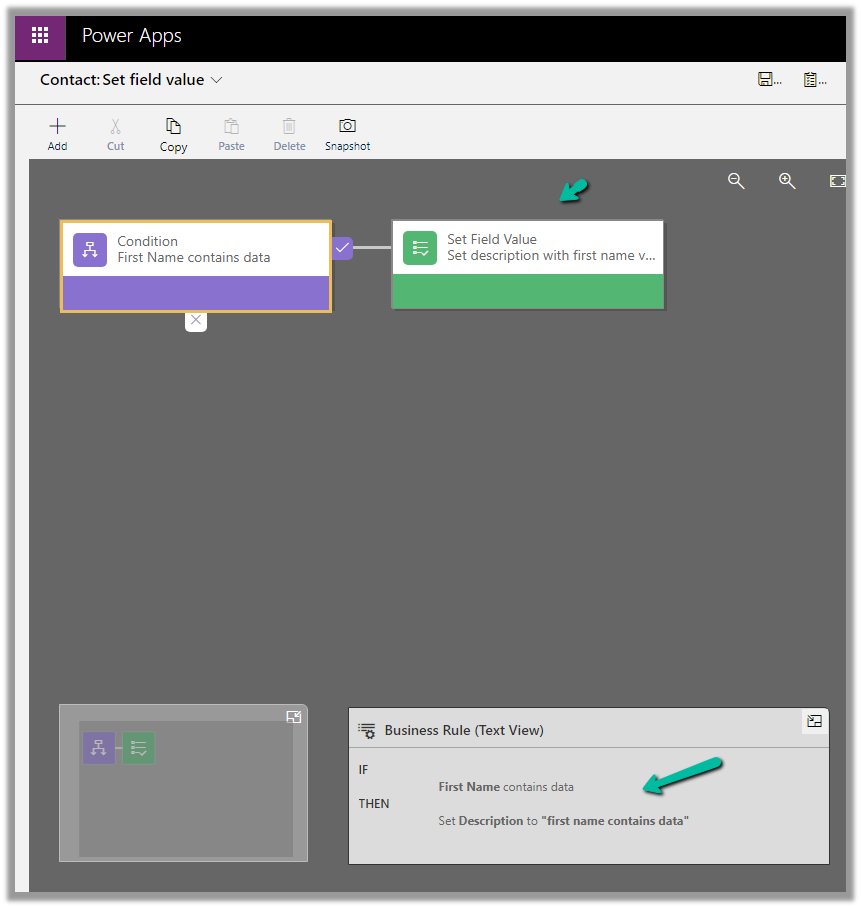
Similarly, let us check another Business Rule that sets’s description value based on the value of the First Name field.

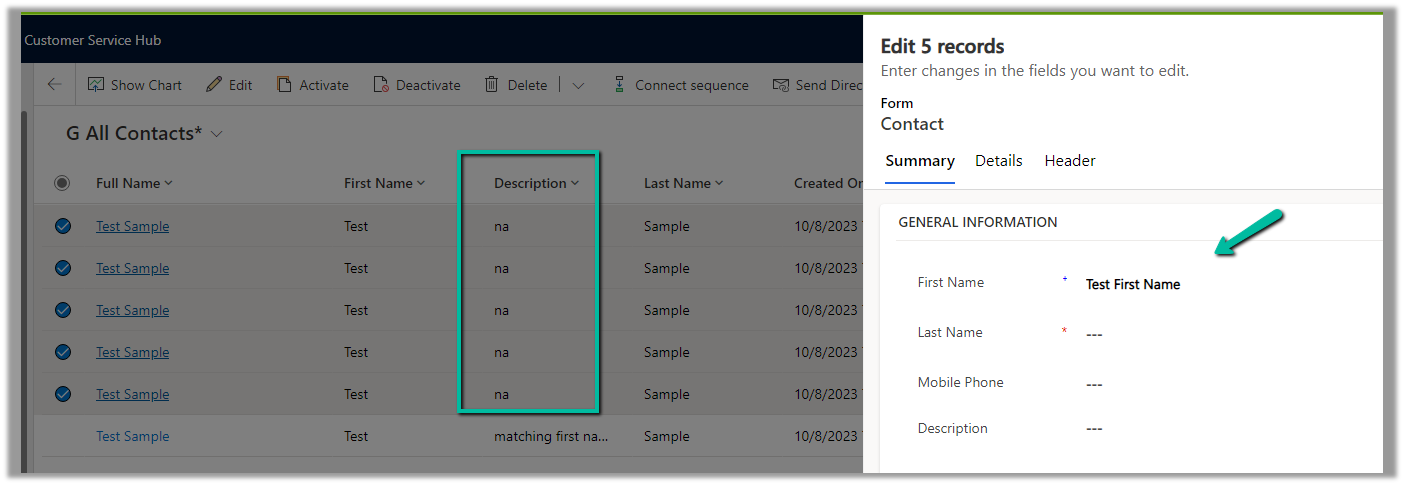
Below we are bulk updating the contact record’s first name field.

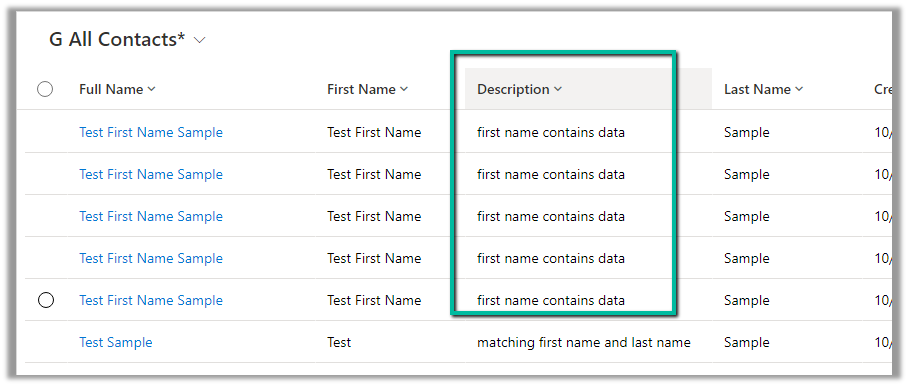
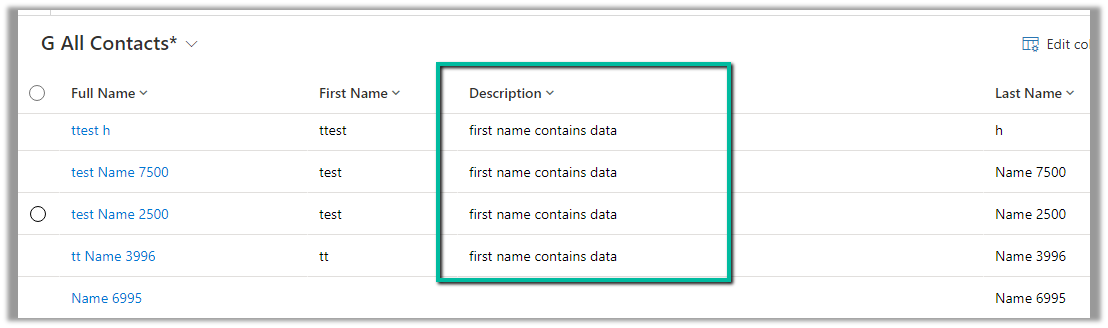
We can see the Description field updated.

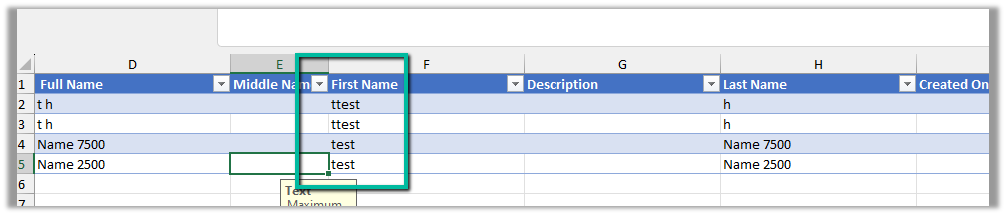
Now let us try the export and import of some of the records after updating its first name

Before –

After –

The import record status shows success

As expected that triggered the business rule

Hope it helps..

Photo by Monstera Production on Pexels.com
Advertisements

The webhook call failed because the Http request timed out at client side. Please check your webhook request handler – Dataverse / Dynamics 365


Recently we were getting the below for one of our webhooks registered on Update of lead.

Exception Message: The webhook call failed because the Http request timed out at client side. Please check your webhook request handler.

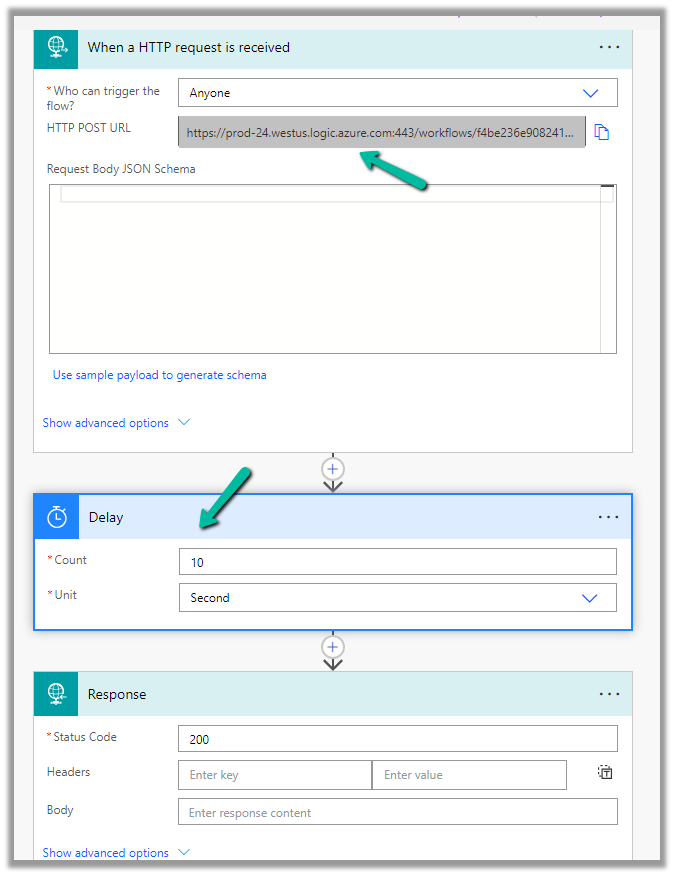
To test the timeout, we created a below Microsoft Flow with HTTP trigger, Delay and actions to be used as Webhook.

Helpful post – https://d365demystified.com/2021/11/23/call-flow-from-webhooks-in-dynamics-365-crm-power-automate/

Let us register this through the Plugin Registration tool.

We can get the values from the HTTP Post URL Generated.

For the Endpoint URL, enter URL Path and use Params for Key and Values.

Register the synchronous step on the update of the lead for the webhook

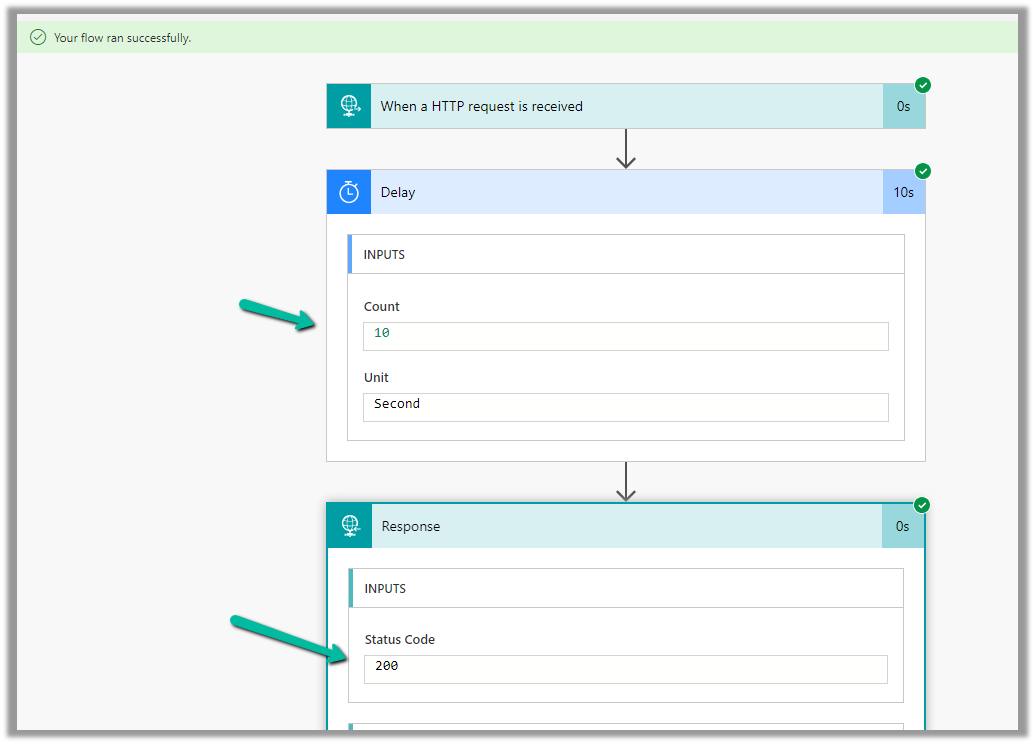
Let us trigger the flow, right now we have Delay set as 10 seconds.

The flow runs successfully as expected.

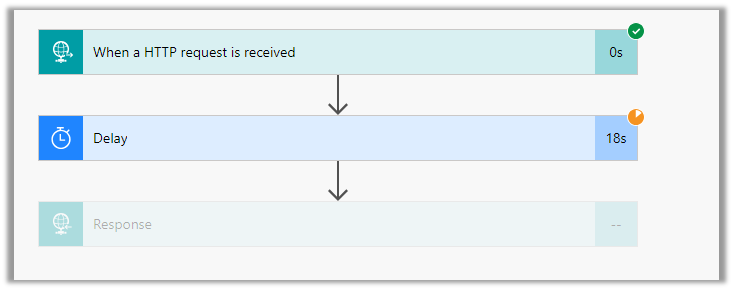
Now let us update the delay to 61 seconds and trigger the flow again by updating the lead record.

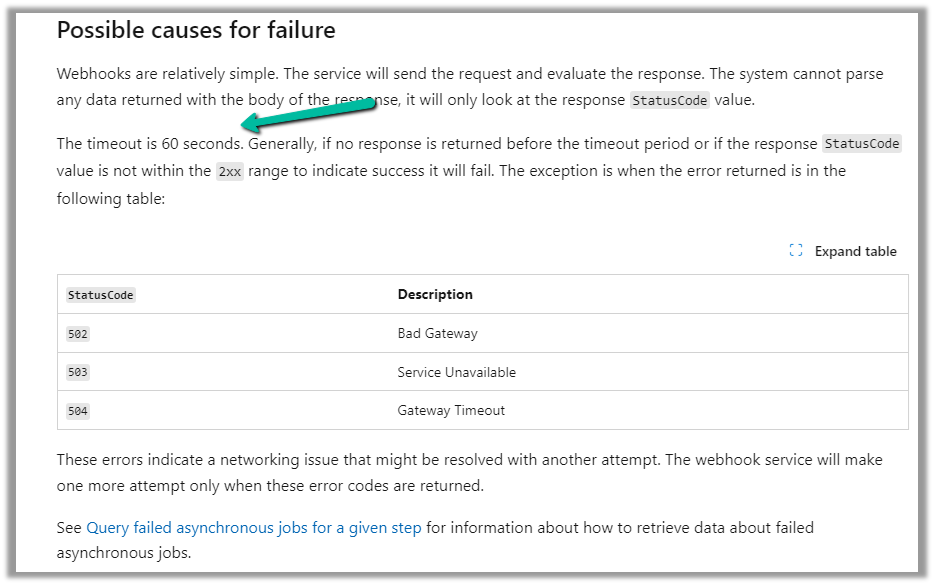
As expected we get the time-out error this time.

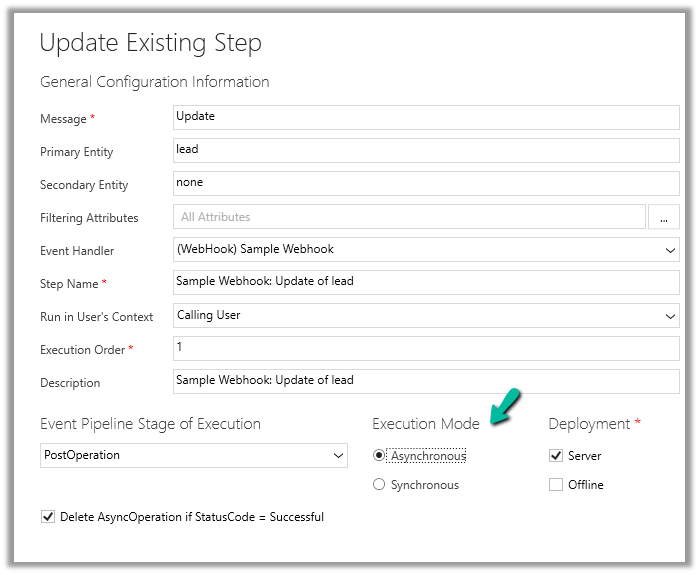
The same is the case if we register the plugin step asynchronously.

For the asynchronous step, we can check the corresponding system job for the error.

https://learn.microsoft.com/en-us/dynamics365/customerengagement/on-premises/developer/use-webhooks?view=op-9-1#possible-causes-for-failure

Hope it helps..

Advertisements