Nested Editable Grids in D365 CE v9 UCI


priyeshwagh777's avatarD365 Demystified

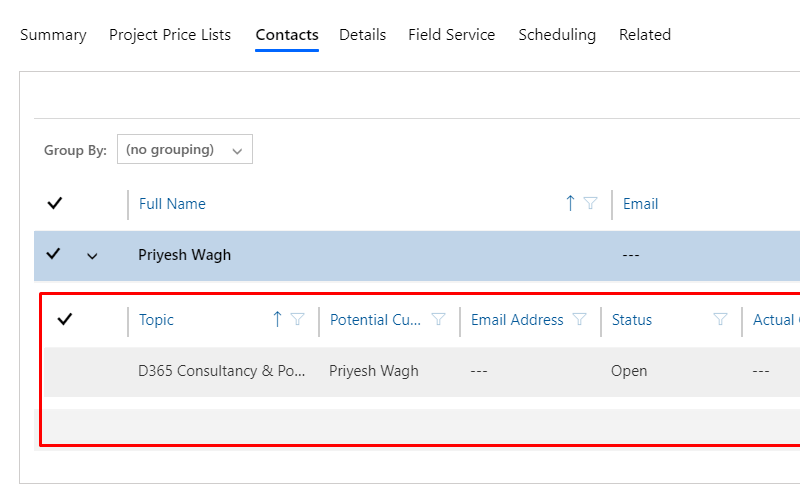
Nested Grids – as the name suggests is a grid-within-a-grid (or rather, Grid-ception!). Nested Grids will let you expand a sub-grid entry to look at another grid of the expanded record. This depends on how you configure it.

Be aware, Nested Grids work with Editable Grids and only for Tablet, Phones and Unified Interface. This is not available for the classic Web UI.

Configuring Nested Editable Grid

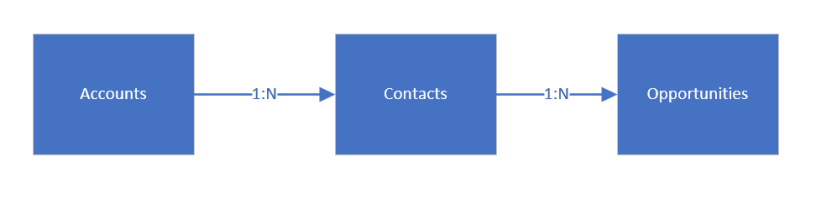
Here’s my entity structure – I have Account, having multiple Contacts and each Contact, having Opportunities under them. Like in the below diagram –

relationships

Now, I have a Contact grid on my Account form (just like we usually do).

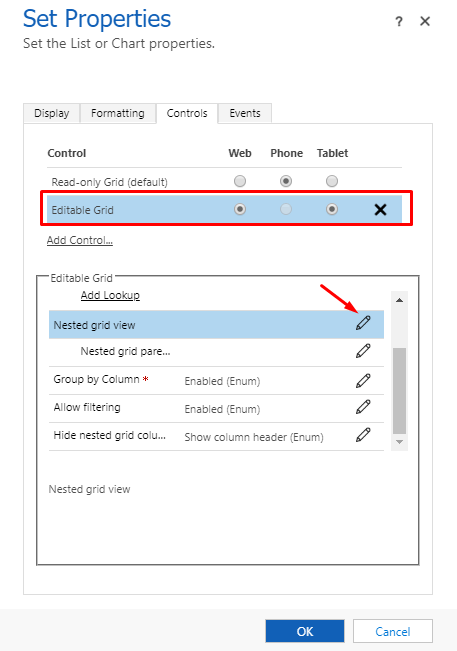
  1. I now will have to choose the grid to be a Editable Grid Control as follows. Also, click on the Nested grid view control as pointed
    editableGridControl
  2. On clicking the Nested grid view pencil, the next dialog box will let you select what entity…

View original post 186 more words

Fixed – “You don’t have any apps in this view” error in Dynamics 365 for Phones and Tablets


Check the other articles of this series

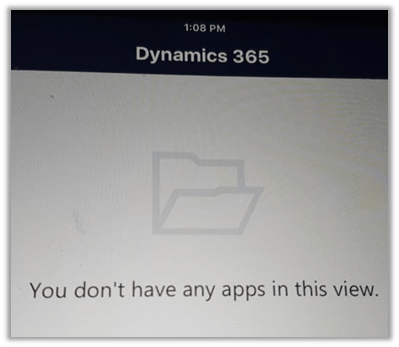
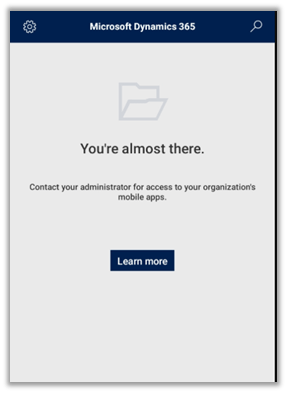
For one of the users, who had all the appropriate privileges and security roles to access the Sales Hub app, we were getting the below error.

In iPad à

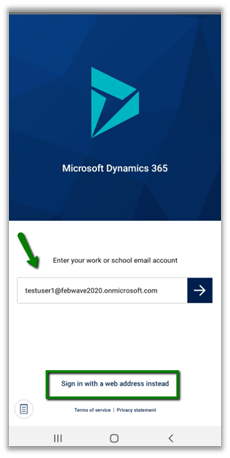
In Dynamics 365 for Phone for Android à

As part of troubleshooting, we assigned the System Administrator role to the user, tried uninstalling and reinstalling the app, tried in a new device with the same user, but we were getting the same error.

Here we were entering the email account to login to the application.

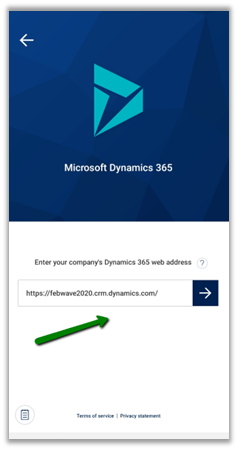
Later when we tried the “Sign in with a web
address
instead” it worked for us.

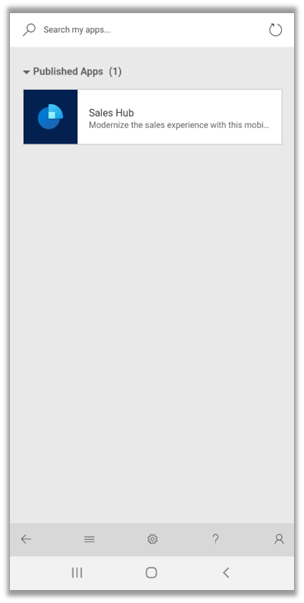
It started showing the Sales Hub for the user.

It could be some intermittent issue or something to do with cache, cannot say for sure, would suggest trying out the same, if the user has all the appropriate rights on the entity and the app and is still facing this issue.

Hope it helps..

Notes on Dynamics 365 for Phones and Tablets app – Part 8 (Mobile Offline)


Check the other articles of this series

Continuing our previous post, here we’d cover the configuration steps and details around offline support for Dynamics 365 for Phones app.

To begin with,

The mobile offline is only available and is supported for iOS (>= 13.1904) and Android (> =4.3.19043) devices.

To enable an entity for offline, we need to check the Enable for Mobile offline option for it.
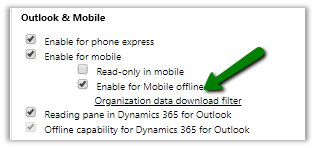
Below are some of the main entities for which we can enable the mobile offline option (along with newer entities added in the product and the custom entities)

Account Activity Pointer Appointment Attachment Case
Competitor Competitor Address Connection Connection Role Contact
Email Lead Opportunity Opportunity Product Phone Call
Position Product Task Team User

How much data is synchronized?

This is governed by
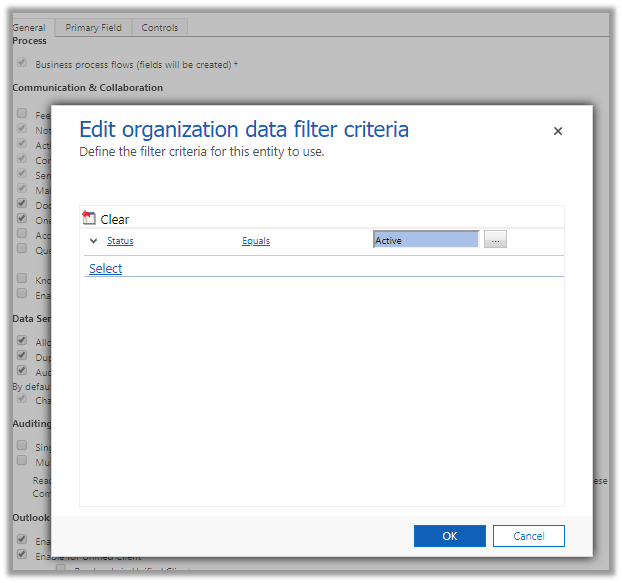
the Organization data download filter.
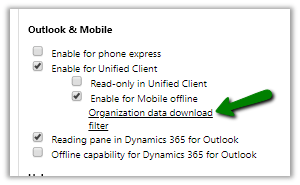

Select the entity enabled for Mobile offline and click on the link, and specify the filter
Next, we need to specify the Mobile Offline Profiles, navigate to Settings à Mobile Offline
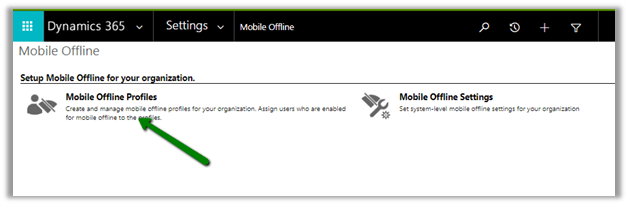
Below are 2 profiles already available.
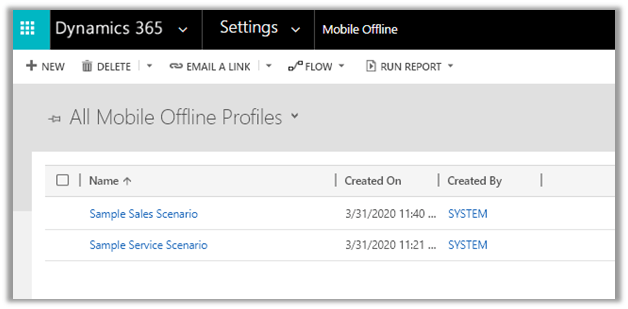
The sample sales scenario profile :
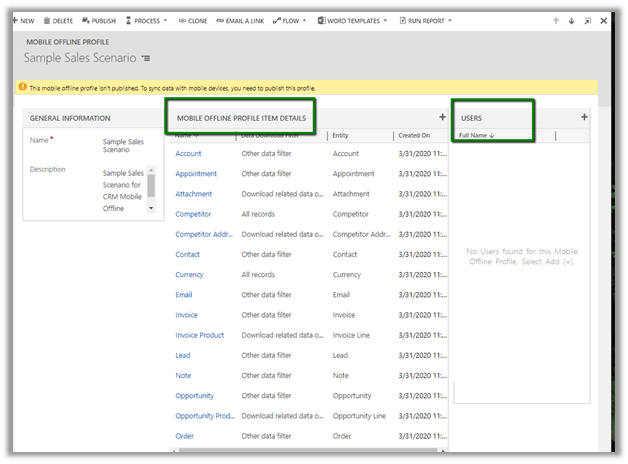
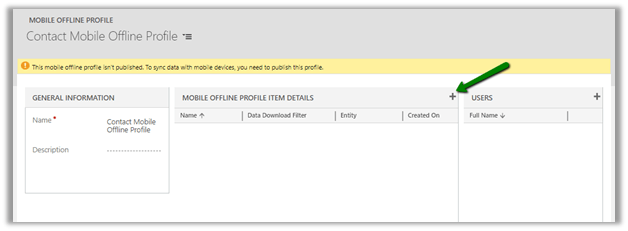
Let us create a new mobile offline profile, with add only the contact entity in it.
In the new mobile profile item record, we have selected Contact as the entity.

For Data Downloaded Filter we have 4 options as shown below
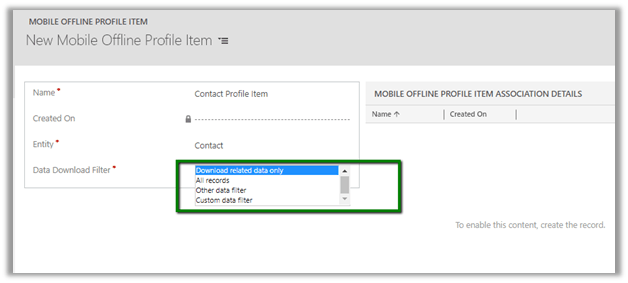
  • All records
  • Custom data filter
  • Other data filter
  • Download related data only

All records will download all the data without any filtering, for the user specified.
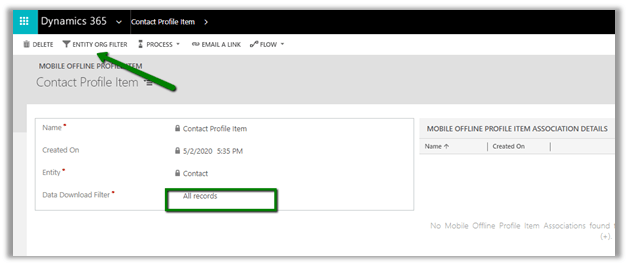
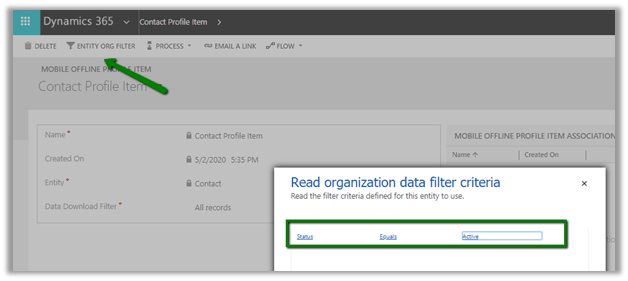
The ENTITY ORG FILTER will open the filter that was defined for the contact entity earlier.
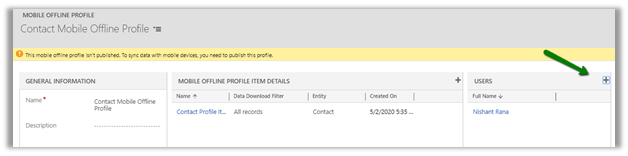
Let us now add the users for the mobile offline profile.
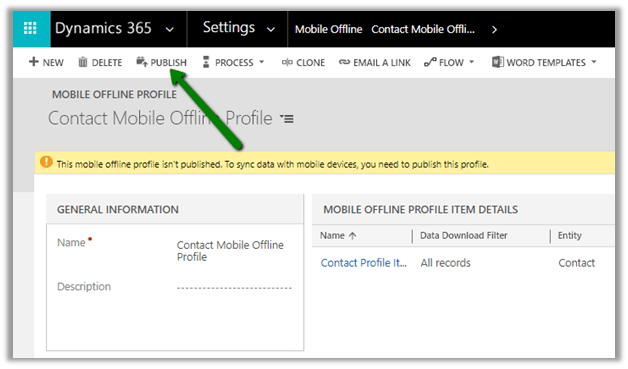
Now let us Publish the profile.
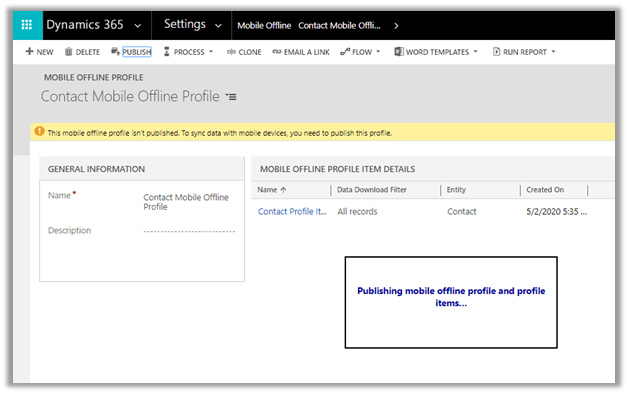
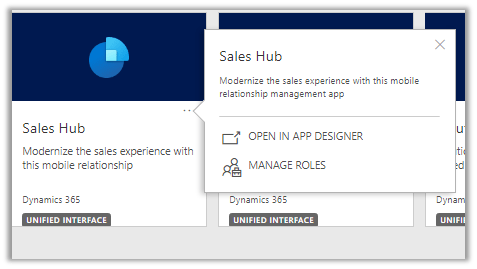
Next, navigate to Settings – Advanced Settings – My Apps and open the model-driven app in the app designer.
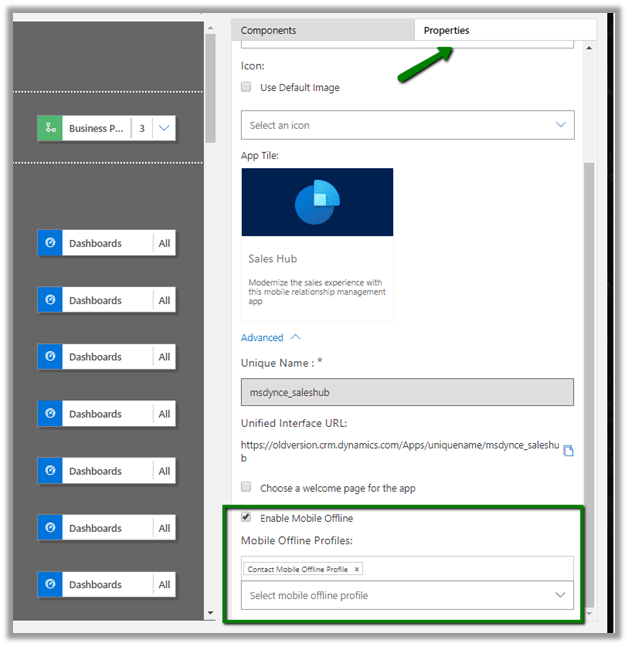
In the properties tab, check Enable Offline profile and select the profile created for contact.
Now we are done with our basic setup.

In the next post, we’d see how all these configuration settings affect the end-user in the offline mode through Dynamics 365 for Phones App.

Hope it helps..

How to – Access fields on QuickView Form (Control) through JavaScript in Dynamics 365


Suppose we have below Account’s Quick View Control on contact entity.

Now to access the email address attribute we can use the below Jscript on the Contact’s form onload event.

The result à email address field is hidden in the quick view form.

https://docs.microsoft.com/en-us/powerapps/developer/model-driven-apps/clientapi/reference/formcontext-ui-quickforms/isloaded

Hope it helps..

Advertisements

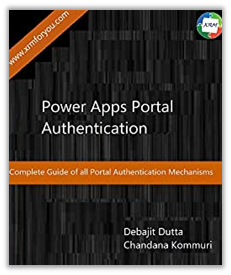
Book summary: PowerApps Portals Authentication


I recently read the kindle version of the book PowerApps Portal Authentication by Debajit Dutta and Chandana Kommuri.

The book covers in detail the different authentication methods available for the PowerApps Portals and also provides detailed instructions to set them up.

The different topics included in the book are

  • Local authentication – Self Registrations and Invitations.
  • External Authentication – with Google, Facebook, LinkedIn, Azure Active Directory (B2C and B2B)

This is the first and the only book in the market on PowerApps Portals, and I think it would be very helpful for the Dynamics 365 professionals, as authentication is the basic and most important piece of information needed while configuring PowerApps Portals for the customers.

What I like about the books in general is it gives us all the required information at the same place, instead of being scattered all around out there in the web, and also that information coming from the expert(s) who have been working on it (because of which you’d be buying the book in the first place) adds to its credibility. The book not only covers all the required details (how and why) for setting up the authentication but also presents it simply and concisely. The chapters start with how to register the portals with the external authentication provider, the authentication mechanism available, settings required in portals, etc. There is a specific pattern or consistency about the way chapters are written in the book, which will make it very easy to be referenced when required. Being around 150 pages, the book was also a quick read.

Grab your copy at the link below !

https://www.amazon.in/PowerApps-Portal-Authentication-Debajit-Dutta-ebook/dp/B085X2HL4W

Enable/Disable Rich Text Editor for Notes on Timeline


Gopinath's avatarDynamics 365 CE and Power Platform

Hi Everyone,

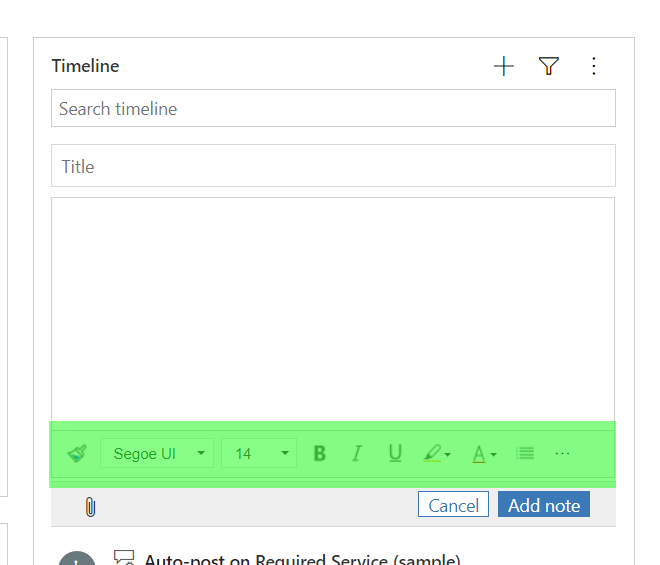
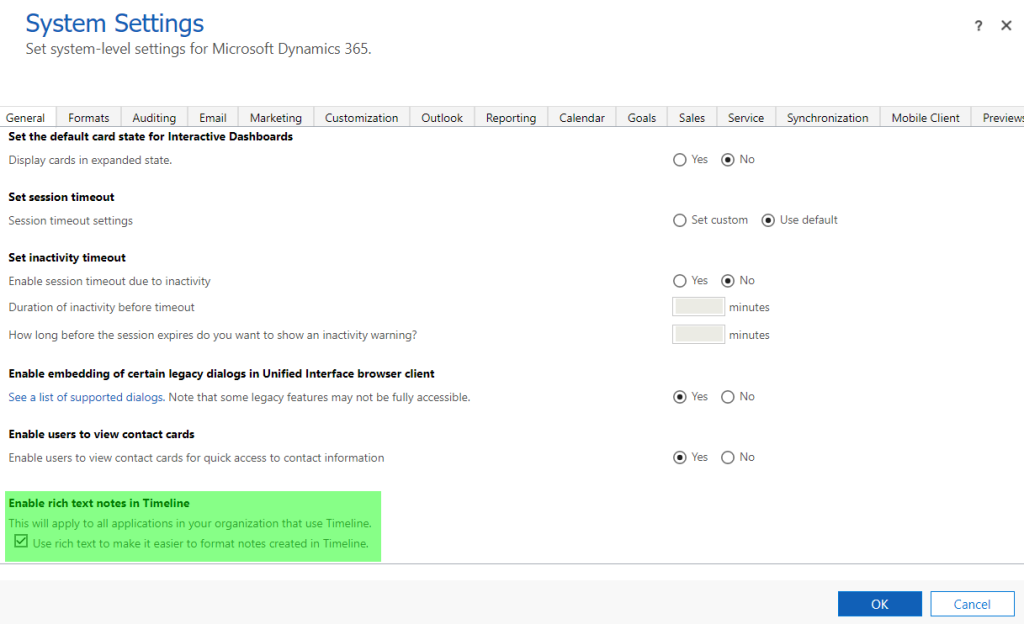
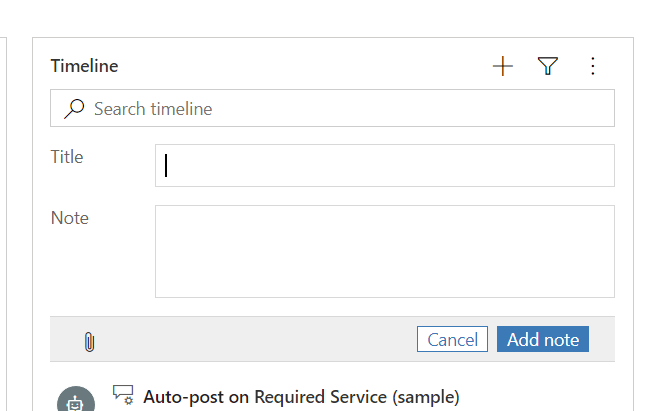
Today I was checking System Settings to configure something and I found a setting to enable or disable Rich Text Editor for Notes on Timeline. Somehow I feel we don’t need a setting for this, who wants disable this wonderful feature. However, if anyone is looking to disable to Rich Text Editor check this out.

Hope this helps.


Happy 365’ing
Gopinath

View original post

Nishant Rana's Weblog

Everything related to Microsoft .NET Technology

Skip to content ↓