Import User Profile properties in SharePoint 2013 from CRM 2011 using BCS.


For import to work  we will first define our WCF Service.

We could refer to this post first on how to define and use the WCF Service.

https://nishantrana.wordpress.com/2013/06/13/integrating-crm-2011-and-sharepoint-2013-using-bcs-wcf-service-crud-operation/

Here as we are not going to perform update, delete or create operation we don’t have to implement those methods.

Here we would be defining only Read Item, Read List and IdEnumerator Operation of BCS.

IdEnumerator method enables external data search in SharePoint and will be used while defining new profile synchronization connection.

For our scenario we have created a custom entity named Lawyer in our CRM System. These Lawyers are SharePoint user (AD User)


[ServiceContract]
 public interface IWCFLawyer
 {

[OperationContract]
 string[] GetLawyerLoginIDs();

[OperationContract]
 IEnumerable<WCFCustomType> ReadList();

[OperationContract]
 WCFCustomType ReadItem(String lawyerLoginID);

 }


 [DataContract]
 public class WCFCustomType
 {
 String lawyerLoginID;
 string practiceDetail;
 DateTime lawyerAvailability;

[DataMember]
 public String LawyerLoginID
 {
 get { return lawyerLoginID; }
 set { lawyerLoginID = value; }
 }

[DataMember]
 public string PracticeDetail
 {
 get { return practiceDetail; }
 set { practiceDetail = value; }
 }

[DataMember]
 public DateTime LawyerAvailability
 {
 get { return lawyerAvailability; }
 set { lawyerAvailability = value; }
 }
 }


public class WCFLawyer : IWCFLawyer
 {
 private IOrganizationService orgService = GetOrganizationService();
 public IEnumerable<WCFCustomType> ReadList()
 {
 try
 {
 QueryExpression queryExpression = new QueryExpression("new_lawyer");
 ConditionExpression conditionExpression = new ConditionExpression("statuscode", ConditionOperator.Equal, 1);
 queryExpression.ColumnSet = new ColumnSet(new String[] { "new_name","new_lawyerid", "new_practicedetail", "new_nextavailability" });
 EntityCollection contactCollection = orgService.RetrieveMultiple(queryExpression);
 List<WCFCustomType> lstLawyerType = new List<WCFCustomType>();
 WCFCustomType lawyerRecord;
 foreach (Entity entity in contactCollection.Entities)
 {
 lawyerRecord = new WCFCustomType();
 lawyerRecord.LawyerLoginID = entity.Attributes["new_name"].ToString();
 if (entity.Contains("new_practicedetail"))
 {
 lawyerRecord.PracticeDetail = entity.Attributes["new_practicedetail"].ToString();
 }
 if (entity.Contains("new_nextavailability"))
 {
 lawyerRecord.LawyerAvailability =(DateTime)entity.Attributes["new_nextavailability"];
 }

lstLawyerType.Add(lawyerRecord);
 }

return lstLawyerType;


 }
 catch (Exception generalException)
 {
 throw new RuntimeException(
 "There was a problem reading lawyer data.",
 generalException);
 }
 }
 public WCFCustomType ReadItem(string lawyerID)
 {
 try
 {
 // get the lawyer record's guid based on lawyer login id
 QueryExpression queryExpression = new QueryExpression("new_lawyer");
 ConditionExpression conditionExpression = new ConditionExpression("new_name", ConditionOperator.Equal, lawyerID);
 queryExpression.Criteria.AddCondition(conditionExpression);
 queryExpression.ColumnSet = new ColumnSet(new String[] { "new_name", "new_lawyerid" });
 EntityCollection contactCollection = orgService.RetrieveMultiple(queryExpression);
 Guid lawyerGuid = Guid.Empty;
 if (contactCollection.Entities.Count > 0)
 {
 Entity lawyerEntity = contactCollection.Entities[0];
 lawyerGuid = new Guid(lawyerEntity.Attributes["new_lawyerid"].ToString());
 }


 ColumnSet cols= new ColumnSet(new String[] { "new_name","new_lawyerid", "new_practicedetail", "new_nextavailability" });
 WCFCustomType lawyerRecord = null;
 Entity entity = orgService.Retrieve("new_lawyer", lawyerGuid, cols);
 if (entity != null)
 {
 lawyerRecord = new WCFCustomType();
 lawyerRecord.LawyerLoginID = entity.Attributes["new_name"].ToString();
 if (entity.Contains("new_practicedetail"))
 {
 lawyerRecord.PracticeDetail = entity.Attributes["new_practicedetail"].ToString();
 }
 if (entity.Contains("new_nextavailability"))
 {
 lawyerRecord.LawyerAvailability = (DateTime)entity.Attributes["new_nextavailability"];
 }

 }

return lawyerRecord;


 }
 catch (InvalidOperationException)
 {
 throw new ObjectNotFoundException(
 "Unable to read data for the lawyer with ID = " +
 lawyerID.ToString() +
 ". The lawyer no longer exists.");
 }
 catch (Exception generalException)
 {
 throw new RuntimeException(
 "There was a problem reading lawyer data.",
 generalException);
 }
 }

 public String[] GetLawyerLoginIDs()
 {

string[] lawyerIDs;

try
 {
 QueryExpression queryExpression = new QueryExpression("new_lawyer");
 ConditionExpression conditionExpression = new ConditionExpression("statuscode", ConditionOperator.Equal, 1);
 queryExpression.ColumnSet = new ColumnSet(new String[] { "new_lawyerid","new_name", "new_practicedetail", "new_nextavailability" });
 EntityCollection contactCollection = orgService.RetrieveMultiple(queryExpression);
 List<WCFCustomType> lstLawyerType = new List<WCFCustomType>();
 WCFCustomType lawyerRecord;
 lawyerIDs = new string[contactCollection.Entities.Count];
 int i = 0;
 foreach (Entity entity in contactCollection.Entities)
 {

lawyerIDs[i] =entity.Attributes["new_name"].ToString();
 i++;
 }

return lawyerIDs;
 }
 catch (Exception generalException)
 {
 throw new RuntimeException(
 "There was a problem reading lawyer data.",
 generalException);
 }


 }
 private IOrganizationService GetOrganizationService()
 {
 Uri organizationUri = new Uri("http://crmserver/orgname/XRMServices/2011/Organization.svc");
 Uri homeRealmUri = null;
 ClientCredentials credentials = new ClientCredentials();
 credentials.Windows.ClientCredential = new System.Net.NetworkCredential("username", "password", "domain");
 OrganizationServiceProxy orgProxy = new OrganizationServiceProxy(organizationUri, homeRealmUri, credentials, null);
 IOrganizationService _service = (IOrganizationService)orgProxy;
 return _service;
 }

}

Here instead of taking Guid of the record we will be taking LoginId (login name of the AD User) of the user as the unique identifier in our BCS, because the same will be used for while defining user profile synchronization with the BCS. The login name of the users and SAMAccountName in the AD will be the connection point between the two. The records in CRM will be identified by the login name of Users in SharePoint.

Here after implementing the Interface and after publishing the service, here we will again create the External Content Type based on it and will define the operations Read List, Read Item. This time we will use the User’s Login Id as Identifier.

Next open the User Profile Service Application à Manage User Properties in Central Administration Site of SharePoint.

Create a new user property named User Login ID (Lawyer Login Id here in our case) that imports the value from SAMAccountName property of the AD. (Note: AD Profile Synchronization Connection should already be set up for the user’s profiles)

Create a new Synchronization Connection for importing profile from BCS

Define the synchronization connection based on Lawyer Login ID property

Create few more user properties e.g. one for Practice Detail field and other for Lawyer Availability field defined as Data Member in the contract in our case.

Open User Profile Application à Manage User Properties

Create a new property named Practice Detail of type String that imports the value from the PracticeDetail attribute of the BCS connection defined.

Create one more property name Next Availability of type date time that imports the value from the LawyerAvailability attribute of the BCS connection defined.

Go to Manage Profile Service à Start Profile Synchronization to start the synchronization

Select Start Full Synchronization


Select Configure Synchronization Timer Job to define the synchronization interval


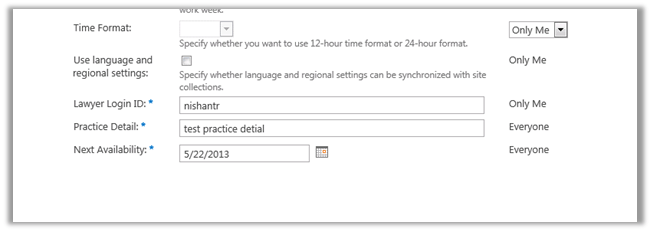
Open the user profiles record after the synchronization

Select Manage User Profiles in the User Profile Application

Search for the record and open it to confirm the successful user profile import.
Hope it helps.

Integrating CRM 2011 and SharePoint 2013 using BCS (WCF Service – CRUD Operation)


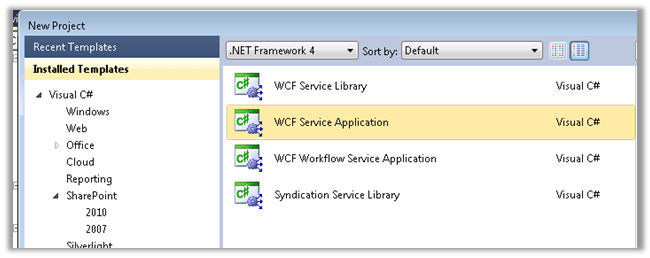
Create a new WCF Service Application in Visual Studio with .NET Framework version as 4.0 (since we will be using CRM 2011’s assembly that are in version 4.0).

Please go through this MSDN article first to get a clear understanding on the BCS Service

http://msdn.microsoft.com/en-us/library/office/ff953200(v=office.14).aspx

Define the Service Contract and the Date Contract in the following manner. Here we would be performing CRUD operation on Date of Birth and Last Name field of the Contact Entity.

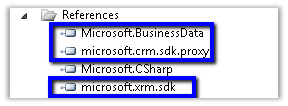
Add references to the following assemblies

Microsoft.BusinessData can be found at

C:\Program Files\Common Files\Microsoft Shared\Web Server Extensions\15\ISAPI on the SharePoint Server.


[ServiceContract]
 public interface IService1
 {
 [OperationContract]
 IEnumerable<ContactEntity> ReadList();

[OperationContract]
 ContactEntity ReadItem(Guid contactId);

[OperationContract]
 ContactEntity Create(ContactEntity newContact);

[OperationContract]
 void Update(ContactEntity contact);

[OperationContract]
 void Delete(Guid contactId);
 }

 [DataContract]
 public class ContactEntity
 {
 [DataMember]
 public Guid ContactId { get; set; }

[DataMember]
 public DateTime? DateOfBirth { get; set; }

[DataMember]
 public string LastName { get; set; }
 }


Implement the Service Contract


public class Service1 : IService1
 {
 private readonly IOrganizationService _orgService = GetOrganizationService();

public ContactEntity ReadItem(Guid contactId)
 {
 try
 {
 var cols = new ColumnSet(new[] {"lastname", "birthdate"});
 ContactEntity contactRecord = null;
 Entity entity = _orgService.Retrieve("contact", contactId, cols);
 if (entity != null)
 {
 contactRecord = new ContactEntity();
 contactRecord.ContactId = contactId;
 if (entity.Contains("lastname"))
 {
 contactRecord.LastName = entity.Attributes["lastname"].ToString();
 }
 if (entity.Contains("birthdate"))
 {
 contactRecord.DateOfBirth = (DateTime) entity.Attributes["birthdate"];
 }
 }

return contactRecord;
 }
 catch (InvalidOperationException)
 {
 throw new ObjectNotFoundException(
 "Unable to read data for the conatct with ID = " +
 contactId.ToString() +
 ". The contact no longer exists.");
 }
 catch (Exception generalException)
 {
 throw new RuntimeException(
 "There was a problem reading contact data.",
 generalException);
 }
 }

public IEnumerable<ContactEntity> ReadList()
 {
 try
 {
 var queryExpression = new QueryExpression("contact");
 var conditionExpression = new ConditionExpression("statuscode", ConditionOperator.Equal, 1);
 queryExpression.ColumnSet = new ColumnSet(new[] {"contactid", "lastname", "birthdate"});
 queryExpression.Criteria.AddCondition(conditionExpression);

EntityCollection contactCollection = _orgService.RetrieveMultiple(queryExpression);
 var lstContactType = new List<ContactEntity>();
 ContactEntity contactRecord;
 foreach (Entity entity in contactCollection.Entities)
 {
 contactRecord = new ContactEntity();
 contactRecord.ContactId = new Guid(entity.Attributes["contactid"].ToString());
 if (entity.Contains("lastname"))
 {
 contactRecord.LastName = entity.Attributes["lastname"].ToString();
 }
 if (entity.Contains("birthdate"))
 {
 contactRecord.DateOfBirth = (DateTime) entity.Attributes["birthdate"];
 }

lstContactType.Add(contactRecord);
 }

return lstContactType;
 }
 catch (Exception generalException)
 {
 throw new RuntimeException(
 "There was a problem reading contact data.",
 generalException);
 }
 }

public ContactEntity Create(ContactEntity newContact)
 {
 try
 {
 var returnContact = new ContactEntity();
 returnContact.ContactId = Guid.NewGuid();
 returnContact.DateOfBirth = newContact.DateOfBirth;
 returnContact.LastName = newContact.LastName;

var contactRecord = new Entity();
 contactRecord.LogicalName = "contact";
 contactRecord.Attributes["lastname"] = returnContact.LastName;
 contactRecord.Attributes["contactid"] = returnContact.ContactId;
 contactRecord.Attributes["birthdate"] = returnContact.DateOfBirth;
 newContact.ContactId = _orgService.Create(contactRecord);

return returnContact;
 }
 catch (Exception generalException)
 {
 throw new RuntimeException(
 "There was a problem creating a new contact.",
 generalException);
 }
 }


 public void Update(ContactEntity updateContact)
 {
 try
 {
 var contactRecord = new Entity();
 contactRecord.LogicalName = "contact";
 contactRecord.Attributes["lastname"] = updateContact.LastName;
 contactRecord.Attributes["contactid"] = updateContact.ContactId;
 contactRecord.Attributes["birthdate"] = updateContact.DateOfBirth;

_orgService.Update(contactRecord);
 }
 catch (InvalidOperationException)
 {
 throw new ObjectNotFoundException(
 "Unable to update the contact with ID = " +
 updateContact.ContactId.ToString() +
 ". The contact no longer exists.");
 }
 catch (Exception generalException)
 {
 throw new RuntimeException(
 "There was a problem updating the lawyer with ID = " +
 updateContact.ContactId.ToString() + ".", generalException);
 }
 }

public void Delete(Guid contactId)
 {
 try
 {
 _orgService.Delete("contact", contactId);
 }
 catch (InvalidOperationException)
 {
 throw new ObjectNotFoundException(
 "Unable to delete the contact with ID = " +
 contactId.ToString() +
 ". The contact no longer exists.");
 }
 catch (Exception generalException)
 {
 throw new RuntimeException(
 "There was a problem lawyer the customer with ID = " +
 contactId.ToString() + ".", generalException);
 }
 }

public static IOrganizationService GetOrganizationService()
 {
 var organizationUri = new Uri("http://crmserver/orgname/XRMServices/2011/Organization.svc");
 Uri homeRealmUri = null;
 var credentials = new ClientCredentials();
 credentials.Windows.ClientCredential = new NetworkCredential("username", "password", "domain");
 var orgProxy = new OrganizationServiceProxy(organizationUri, homeRealmUri, credentials, null);
 IOrganizationService _service = orgProxy;
 return _service;
 }


Host the Service in the IIS.

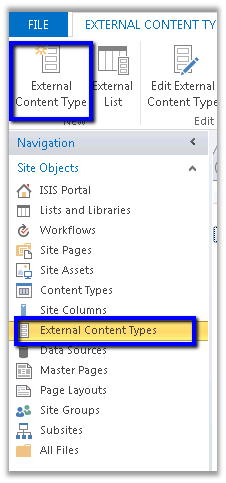
Open SharePoint Designer 2013 and connect to the site where we want to create an external content type based on our WCF Service.

Create a new External Content Type

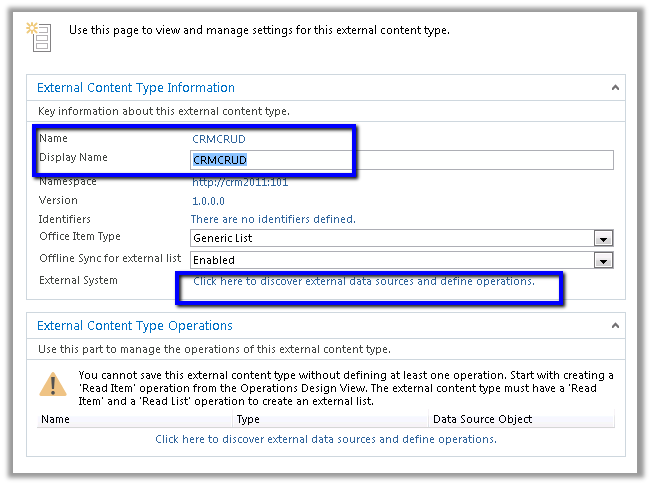
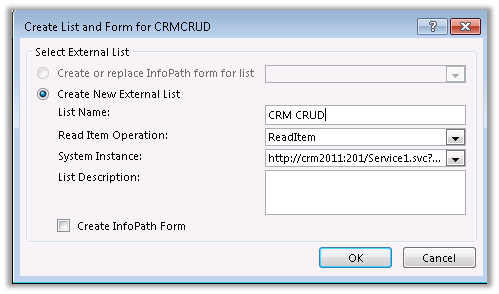
Specify name for the content type and click on the link for defining operations

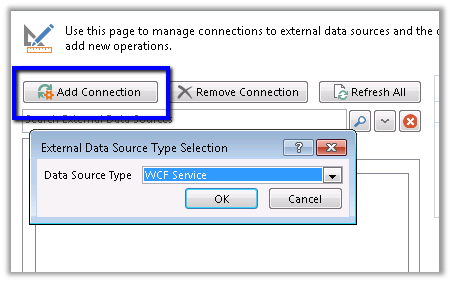
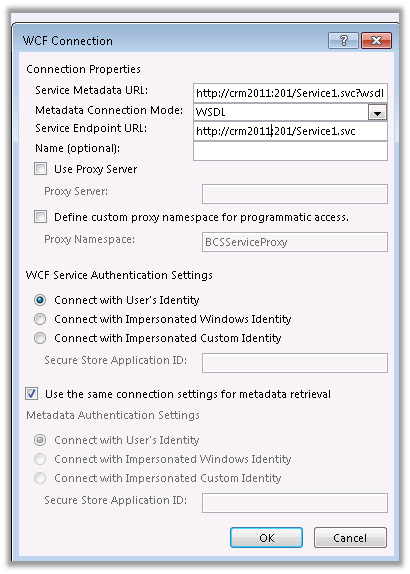
Click on Add Connection and specify WCF Service as the connection type

Specify the url of the WCF service

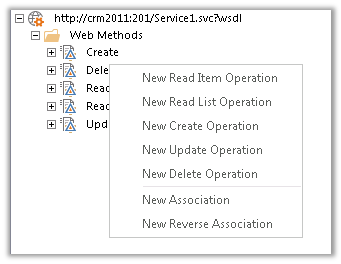
For each of the Web Methods, specify the corresponding operation.

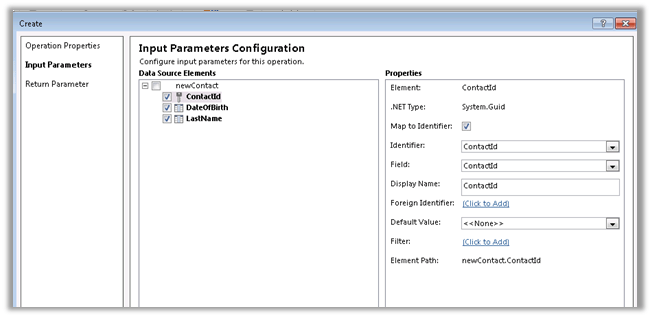
For each of the operations define ContactId as Identifier

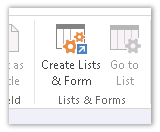
Once defined, select Create Lists and Form button

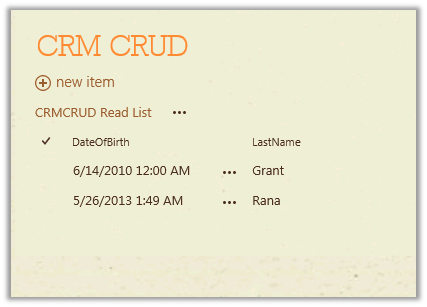
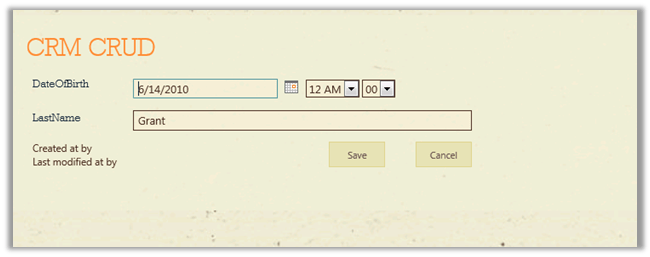
Open the SharePoint site and open the list created

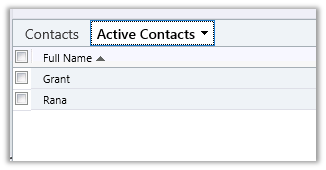
Corresponding contact records in CRM

Hope it helps.

Fixed: The form cannot be rendered. This may be due to a misconfiguration of the Microsoft SharePoint Server State Service error for InfoPath in SharePoint 2013.


Hi,

We had configured the InfoPath Form Services in our SharePoint server.

Now after creating and publishing an InfoPath form to a form library, while creating a new document we got the below error

To fix this, here first we need to check if the state service is up and running

Central Administration à Application Management à Manage Service Applications

The state service was up and running in our case.

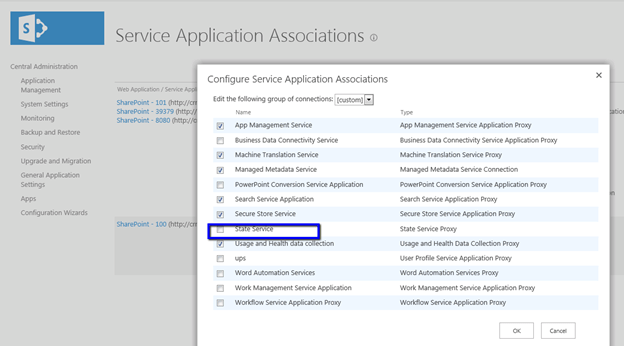
So the next thing to look out for was the Service Application Association i.e. whether our current web application is associated with the service or not.

Central Administration à Application Management à Configure Service Applications Associations

As it was in our case it wasn’t associated. After configuring the same, the error got resolved.

Hope it helps.

Fixed: Application Server Administration job failed for service instance Microsoft.Office.Server.Search.Administration.SearchServiceInstance error in SharePoint 2013


Hi,

We were getting the below error in the event log every time we were clicking on Populate Containers button while creating a new synchronization connection for User Profiles.


Error :

Application Server Administration job failed for service instance Microsoft.Office.Server.Search.Administration.SearchServiceInstance (90579710-4ed5-47e9-a3d8-de997f96262e).

Reason: An update conflict has occurred, and you must re-try this action. The object SearchDataAccessServiceInstance was updated by CONTOSO\administrator, in the OWSTIMER (2720) process, on machine CRM2011. View the tracing log for more information about the conflict.

Stopping the Timer Service, clearing the Configuration Cache and restarting the Timer Service helped us to fix the issue.

http://www.social-point.com/sharepoint-2010-event-id-6482-application-server-administration-job-failed-for-service-instance-microsoft-office-server-search-administration-searchserviceinstance

Bye.

Advertisements

Fixed: The given key was not present in the dictionary error in Register Managed Account in SharePoint 2013


Hi,

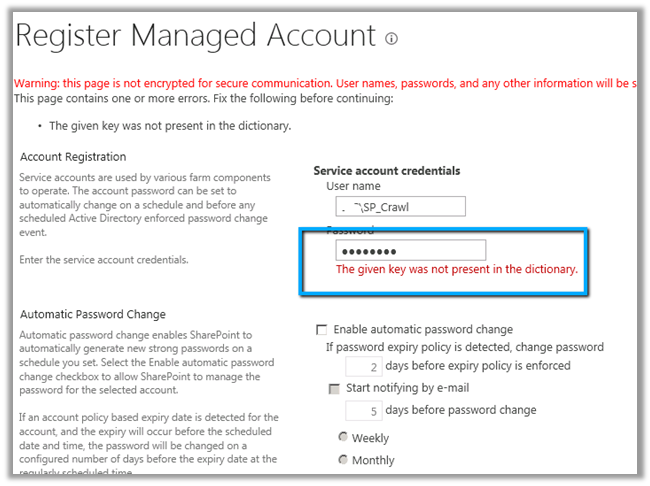
While trying to register a new managed account in SharePoint 2013 through Central Administration we were getting the below error.

To resolve this issue, we need to open the Active Directory Users and Computers console and select the account, right click Properties, select Authenticated Users in Security tab and
give Allow Permissions for Read Account Restrictions.

Hope it helps.

Fixed: Failed to create the configuration database. An exception of type System.Security.AccessControl.PrivilegeNotHeldException was thrown. Additional exception information: The process does not possess the ‘SeSecurityPrivilege’ privilege which is required for this operation.


Hi,

Got the below error while running the Configuration Wizard in SharePoint 2013.

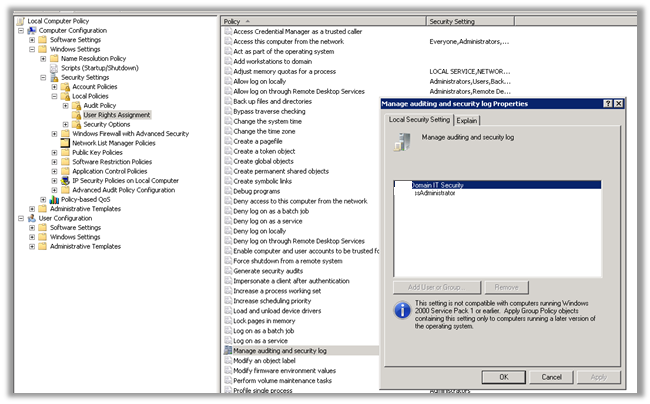
Adding the user under which the installation was running to the Manage Security and Audit Log resolved the issue for us.

gpedit.msc àcomputer configurationàWindows Settings àSecurity Settings àUser Rights Assignment

Hope it helps.